We empower event organizers around the globe, from destination festivals, major sporting and music events to club nights, local fairs, charity fundraisers, and private galleries.
Start an event, members’ hub or virtual event for your community and discover how Eventcube can transform your business.
Get Started
By the end of this guide, you’ll be fully up to speed on how to transition from simply "planning a gathering" to building a high-performance event product that captures data, builds trust, and scales revenue.
Disconnected event tools create gaps you cannot see until results fall short. Registration data, attendance signals, and engagement activity often live in separate systems. This weakens attribution and slows follow-up. Over time, these gaps affect how you measure ROI and justify event spend.
This shift changes how event teams operate. When event data syncs automatically, follow-ups happen faster, and reporting reflects real outcomes.
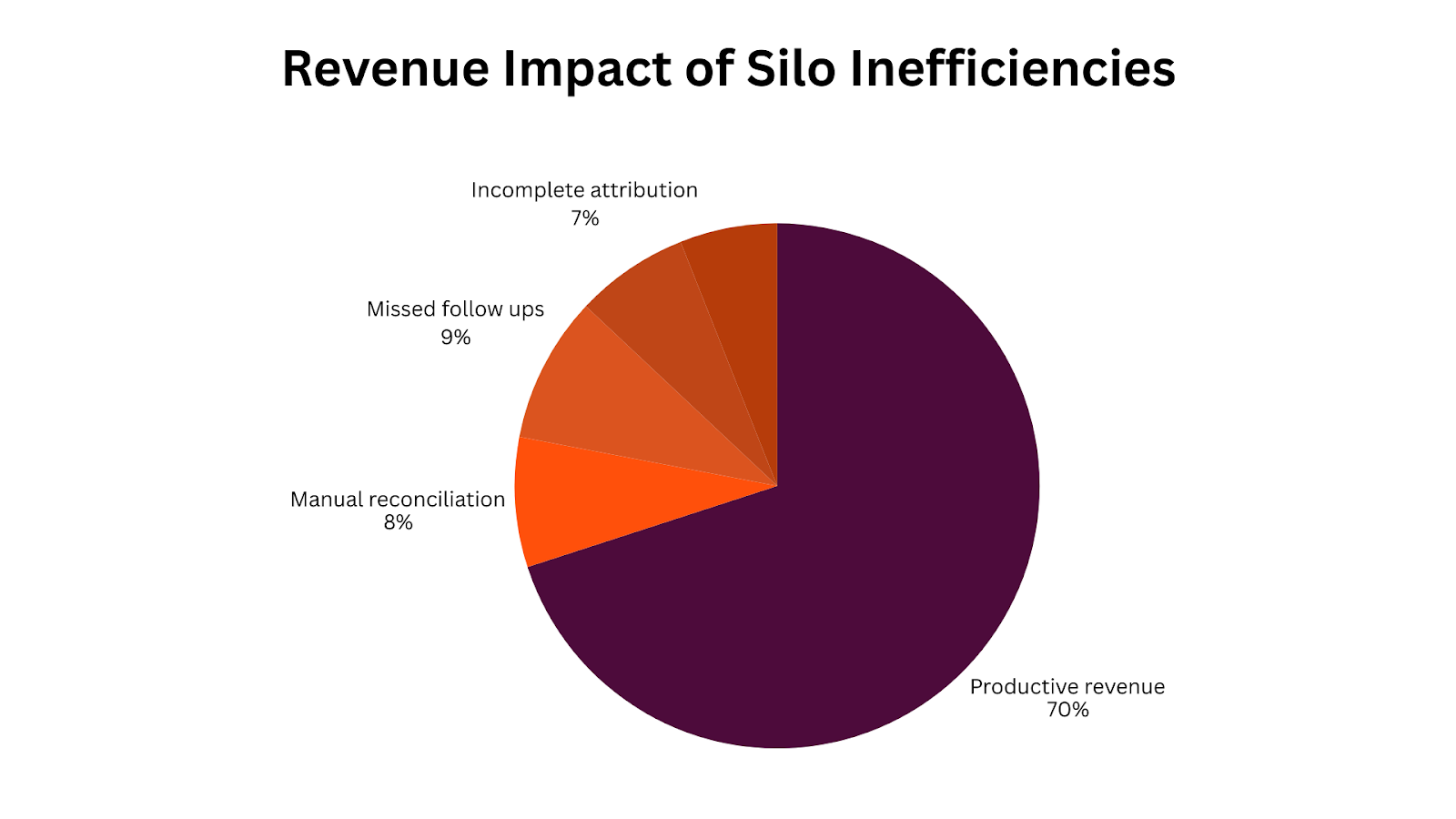
The impact shows up in time and revenue. Data from Entrepreneur estimates that silo inefficiencies can cost companies up to 30% of their annual revenue. Unified systems reduce this loss by eliminating manual work and maintaining data consistency from event registration through post-event engagement.
Generic container apps weaken how your event shows up on a mobile screen. When your logo, colors, and navigation live inside a third-party shell, attendees struggle to connect the experience to your brand. That disconnect affects trust and limits engagement before the event even begins.
Mobile behavior reinforces this shift. Most people now expect a dedicated, branded app when they engage with an event on their phone. Research from Bryj finds a strong user preference for branded mobile apps over mobile websites, with 64% favoring the app experience.
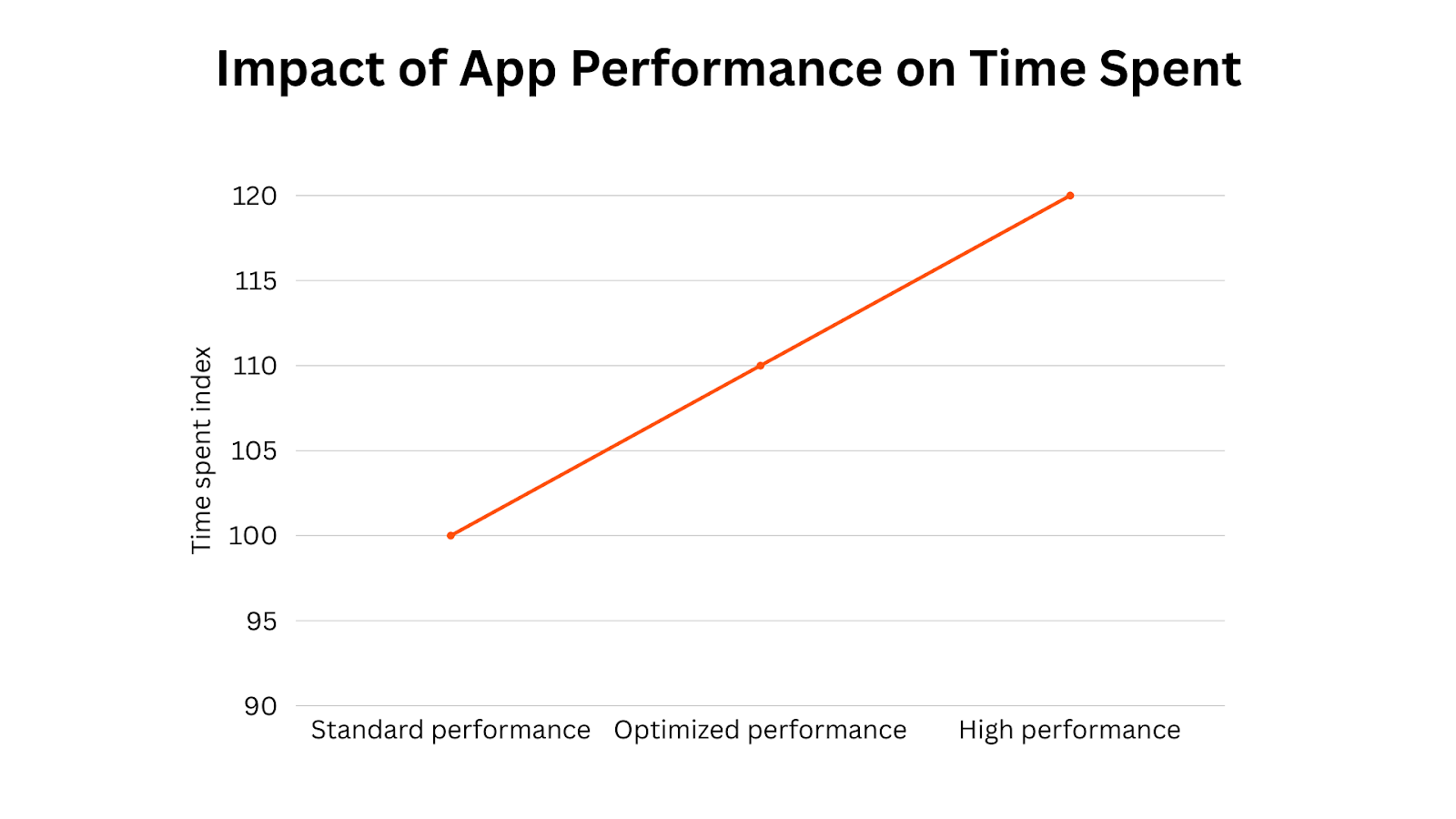
When that app loads fast and feels native, engagement rises. According to MoldStud, higher app performance increases time spent by 20% and reduces session abandonment by 53%.
In 2026, white-label apps support stronger engagement by removing confusion and reinforcing legitimacy. Eventcube supports this shift by offering fully branded event experiences while keeping registration, engagement, and attendee data under the organizer’s control.
As third-party cookies continue to lose reach, events now serve as one of the most dependable sources of first-party data. Registration details, session choices, and on-site behavior reflect clear intent.
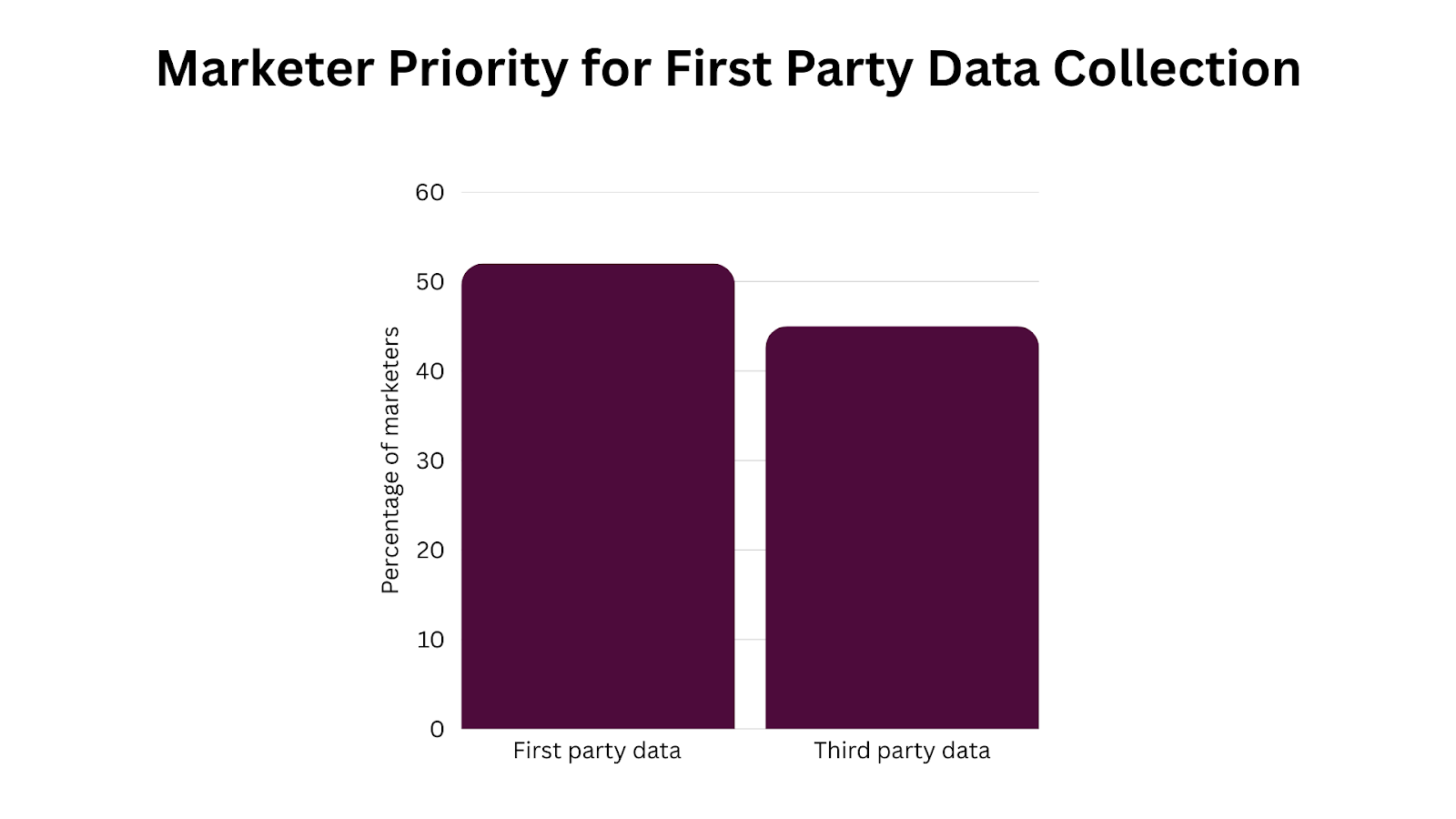
Trust is central to this shift. Data from MediaMath shows that 48% of consumers are willing to share data with trusted brands when it reduces ineffective ads. Events benefit here because attendees expect a direct relationship. When your event feels branded and consistent, people share information with more confidence.
In 2026, you should connect attendance to the pipeline, personalize follow-up, and measure long-term impact without relying on third-party tracking.
Event platforms now face the same scrutiny as tools tied to revenue performance. In 2026, you assess event technology based on outcomes. The platform behind your event influences conversion, attribution, and revenue visibility, which places it inside commercial decision-making.
This shift changes how event tools earn trust. You rely on reporting depth, data access, and integration quality to understand performance.
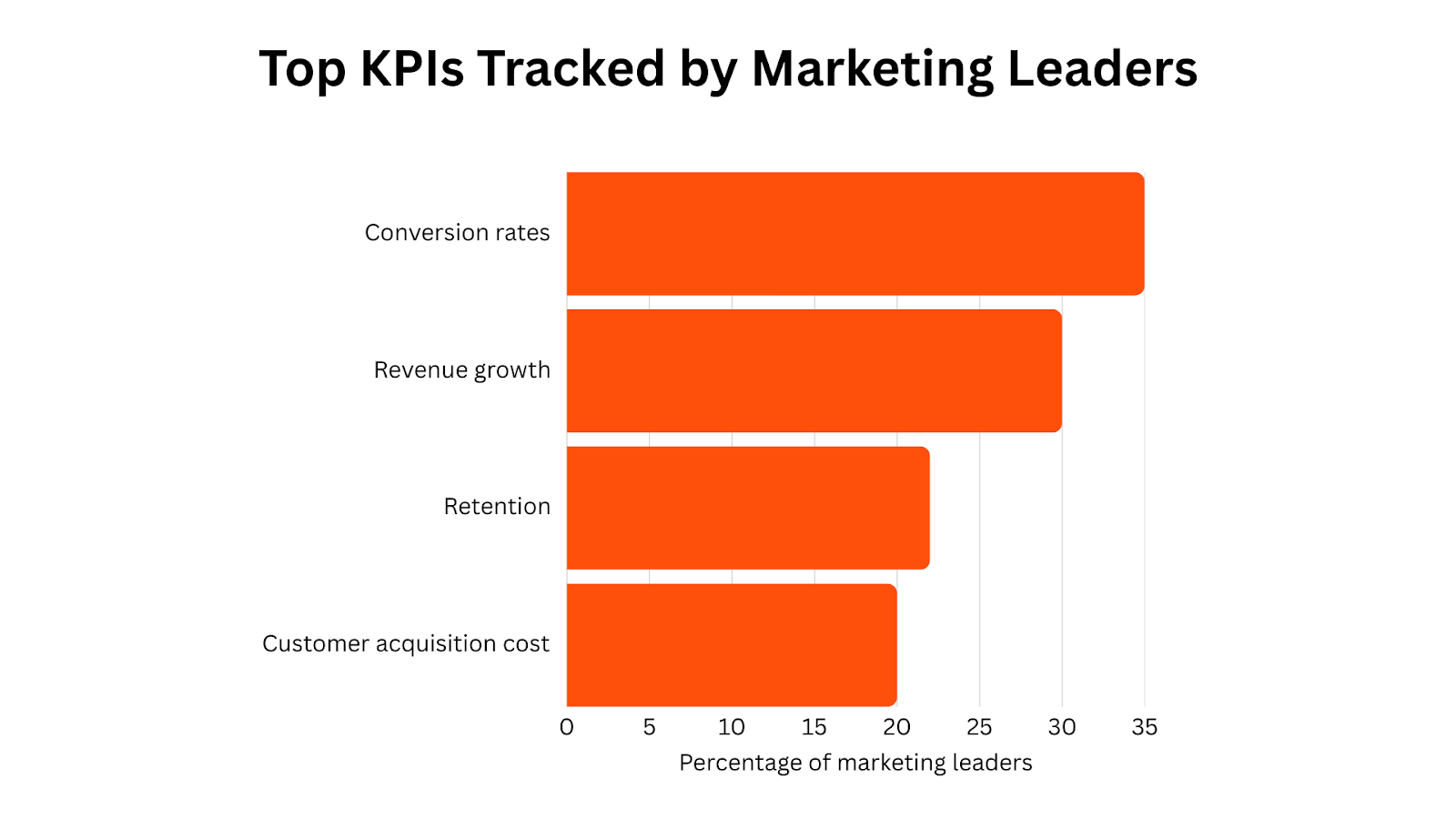
Conversion tracking now plays a central role. HubSpot data shows that conversion rates rank among the top KPIs tracked by more than one in three marketing leaders, shaping how performance is evaluated.
By 2026, event platforms will integrate into larger technology stacks. Reliable data flow between CRM, marketing, and analytics shapes reporting and strategy. Integration gaps will limit visibility across the event lifecycle.
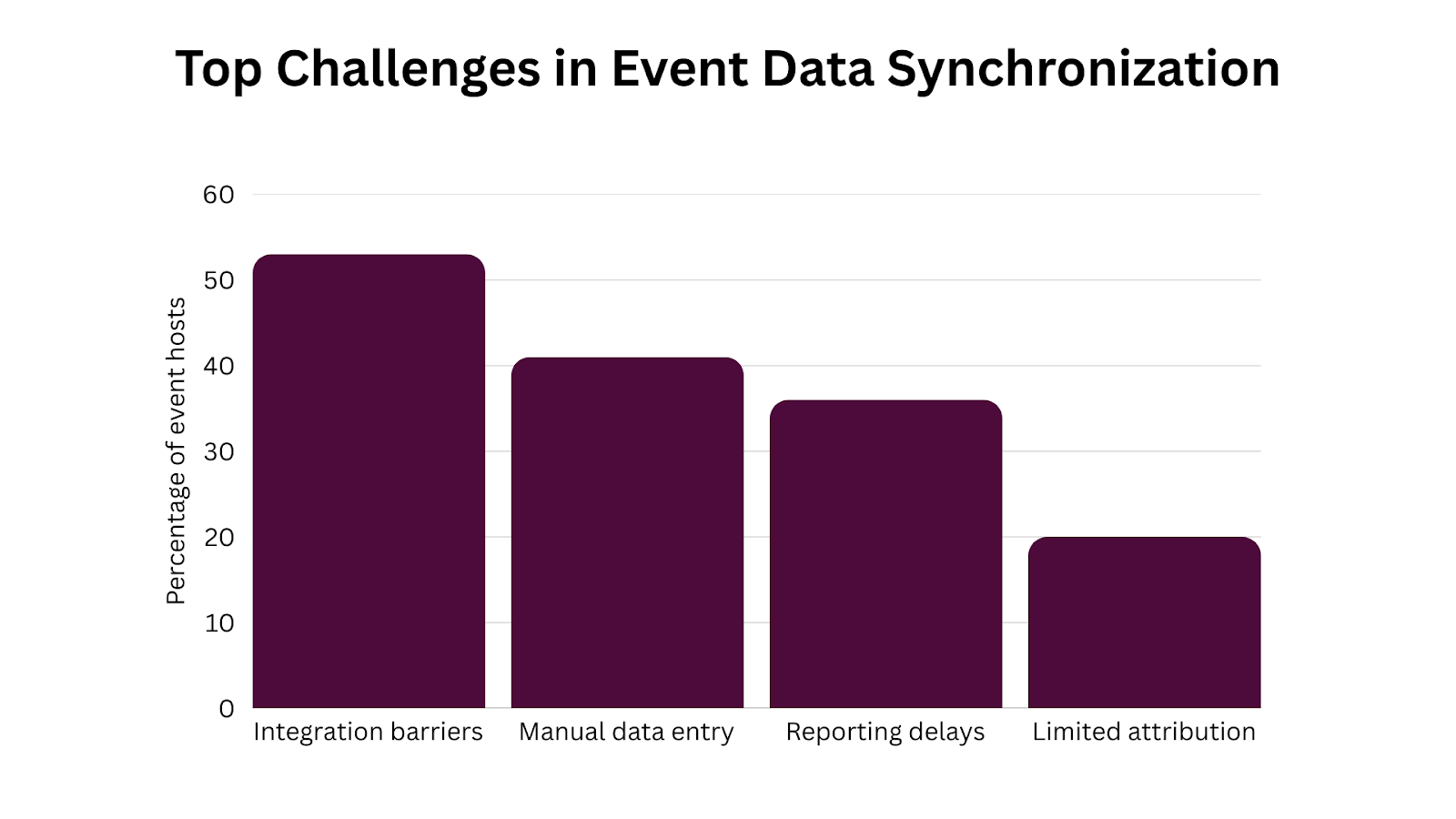
This direction already shapes how teams build their stacks. More event and marketing teams now favor modular systems that connect via APIs rather than all-in-one platforms that limit data flow. Research from Martechvibe shows adoption of custom modular stacks has grown 5x as teams prioritize integration control and long-term flexibility.
The API's first design will support resilience this year. You will connect event data where it matters without reworking your stack each year. Platforms that prioritize clean integration will last longer, adapt faster, and support growth without forcing tradeoffs.
Event performance now ties closely to revenue outcomes. In 2026, you will face tighter expectations around how events convert interest into income. The gap between effort and return has become more visible.
Revenue is no longer just a numbers game. Pricing, checkout flow, and attendee journey are now the true revenue levers. Treat retention as a proactive driver of growth, not a lucky byproduct.
A significant portion of event revenue is lost between intent and purchase. Checkout friction often prevents interested buyers from completing their ticket purchase.
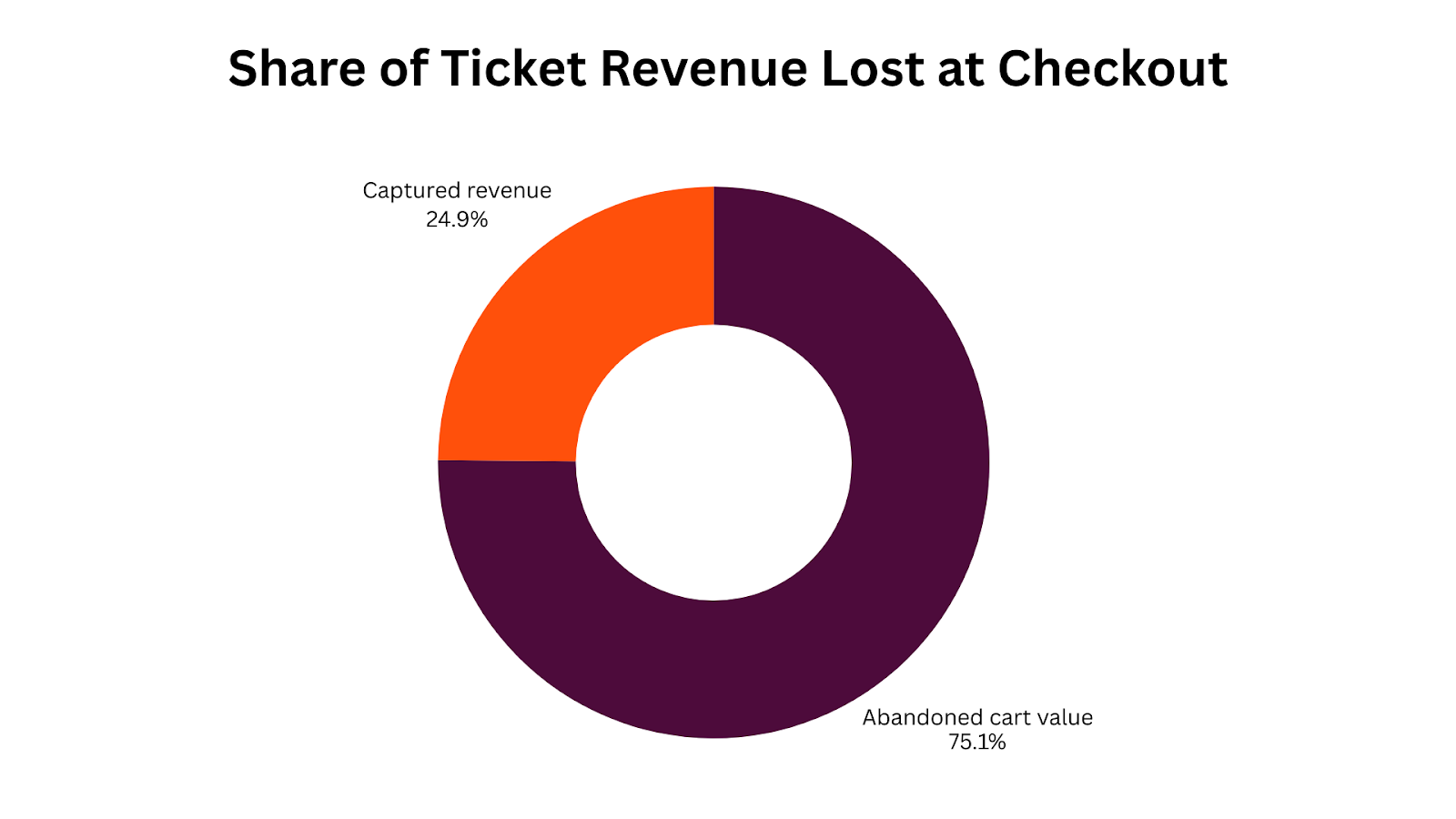
Several factors drive this drop off. According to ClickPost, nearly 48% of buyers leave when surprise fees appear during checkout. Hidden taxes, booking charges, or unclear pricing break trust at a critical moment.
Design also plays a role. Study by Baymard Institute shows that checkout design improvements lift conversion rates by up to 35%, which translates directly into recovered revenue.
In 2026, strong teams will treat checkout as part of the experience while organizing an event. You will see higher returns when pricing feels transparent, and the path to purchase feels simple. Reducing cart abandonment will become one of the most reliable ways to grow event revenue without increasing marketing spend.
The gap between intention and purchase now carries greater risk than reward. In 2026, forced account creation no longer shows commitment. It will introduce friction at the point where buyers expect speed and clarity.
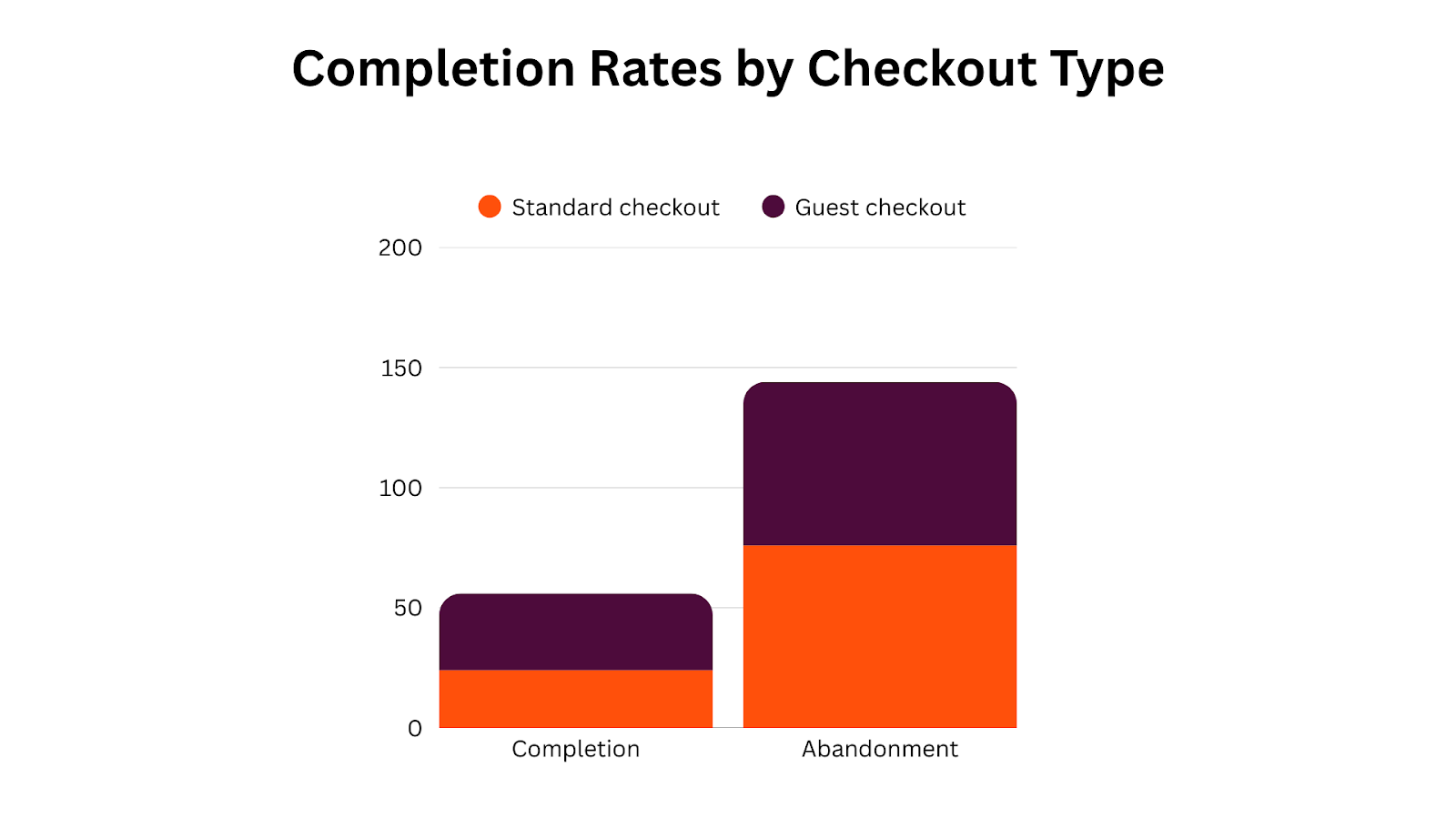
Buyer psychology explains this shift. People arrive ready to complete a purchase, not manage credentials. Each extra step creates doubt and slows momentum. Guest checkout respects that mindset and keeps the focus on the transaction.
Eventcube enables branded checkout flows with guest access, allowing event teams to reduce friction without giving up control over data or follow-up.
In 2026, attendees will value the same event differently. Some will prioritize entry, while others will seek added access or comfort. A single ticket price restricts their choice and limits revenue potential.
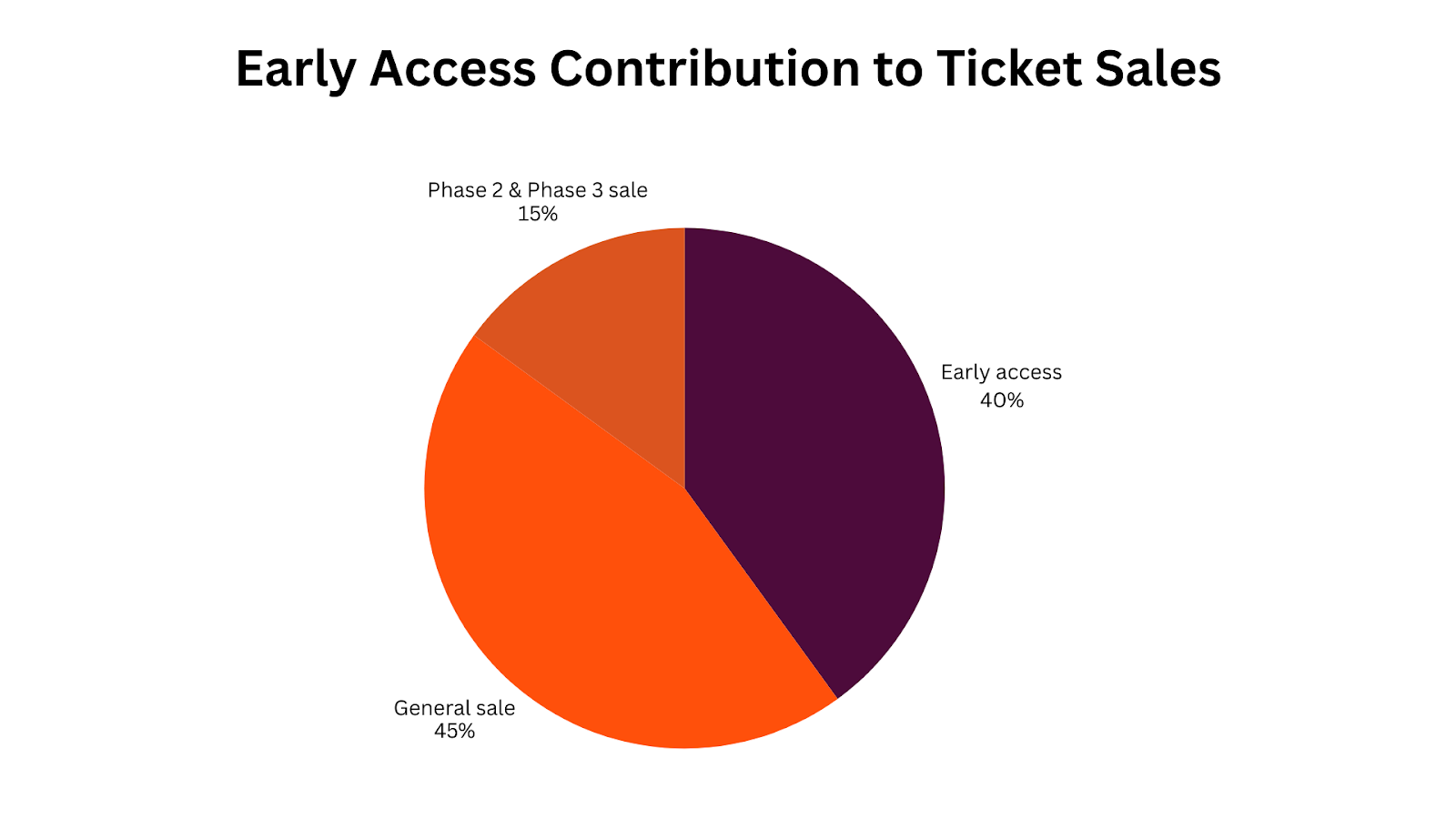
This approach already shapes buying behavior. Early access plays a major role in ticket demand, with SimpleTix data showing that 30% to 40% of tickets are sold before general release.
Premium access also carries weight. VIP tiers generate more revenue than flat rate models because they bundle convenience, access, and status into the experience.
Tiered ticketing promotes flexibility and drives growth this year. You meet different expectations without discounting the core experience.
In 2026, event teams will set pricing based on demand, timing, and access instead of fixed phases. Event organizers now adapt pricing models from travel and hospitality to match how attendees expect event tickets to work. This shift aligns event pricing with how people already evaluate value across live experiences.
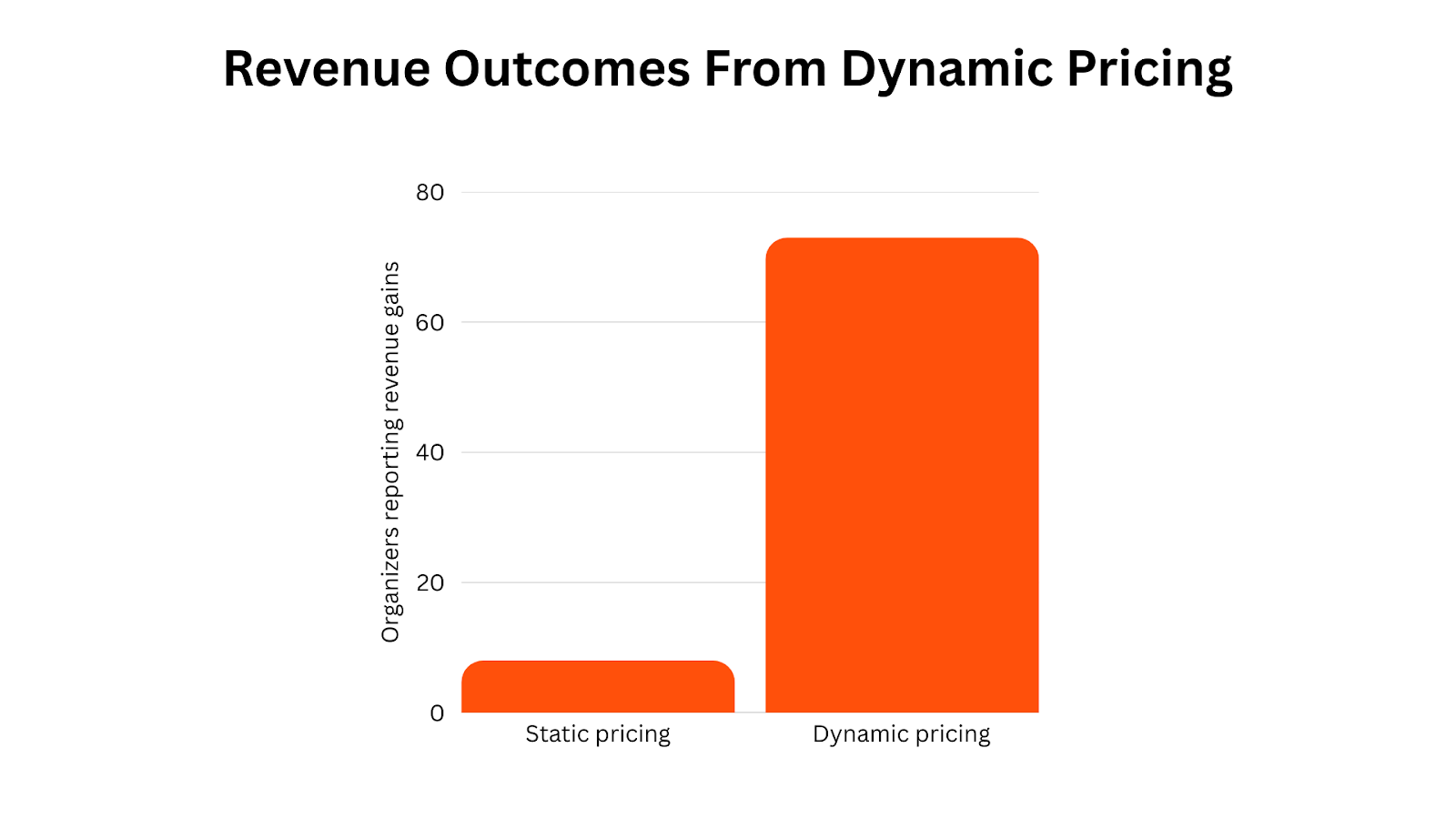
Attendee expectations support this change. Many buyers already accept variable pricing when the value feels clear and fair. Research from YouGov shows that 57% of people planning to attend live entertainment are willing to pay more when additional revenue supports creators.
Dynamic pricing will optimize revenue and event management. You will match price to demand instead of committing value prematurely.
Revenue growth in 2026 will increasingly come from returning attendees. Repeat participation supports higher spend and a stronger connection over time. This shift reduces reliance on repeated audience acquisition.
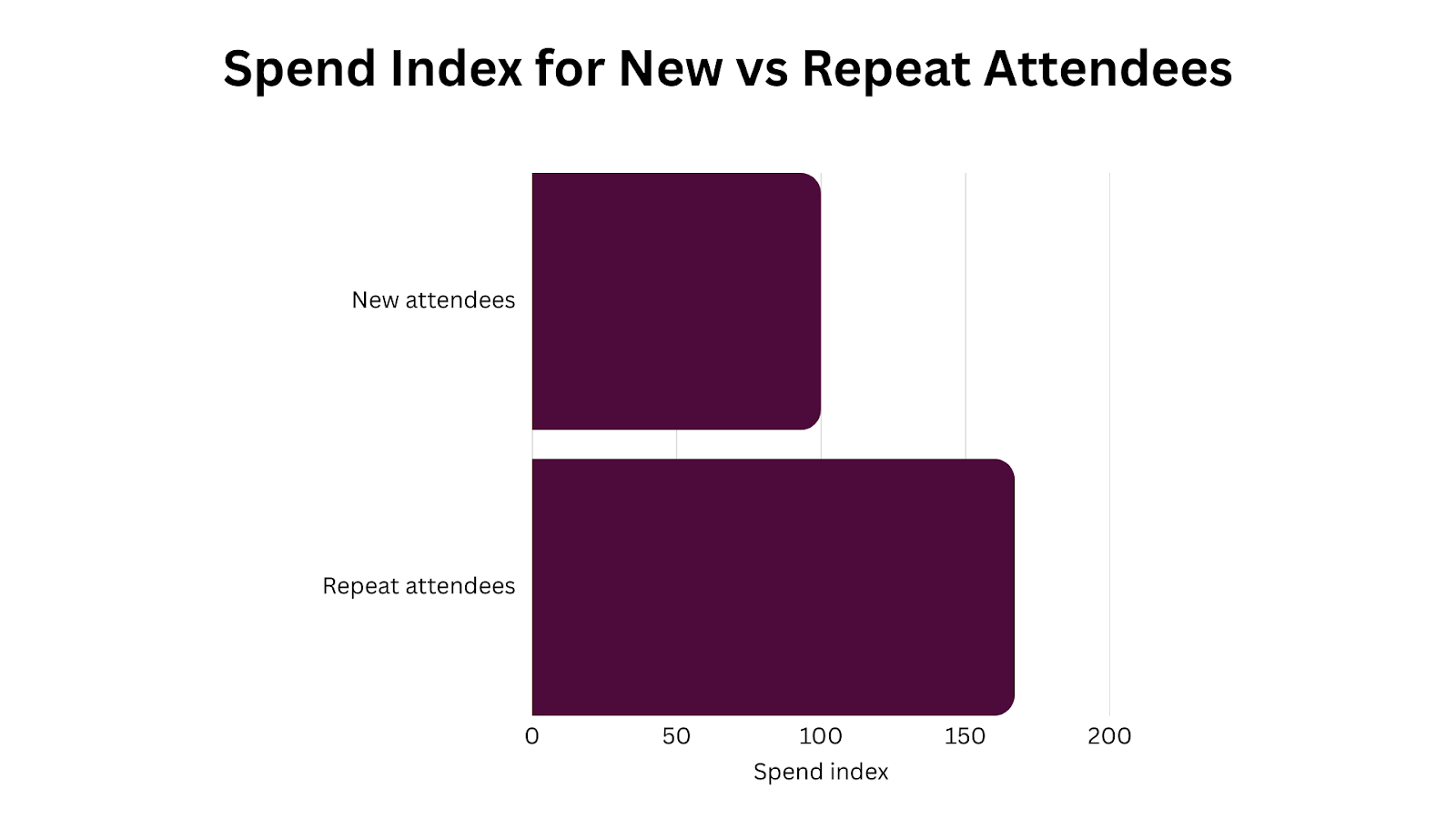
The cost side reinforces this shift. According to Yotpo, customer acquisition costs exceed retention costs across industries, ranging from 5x to 25x higher. For events, that gap shows up in marketing spend, promotion effort, and time spent rebuilding attention for each launch. Retention reduces that pressure by carrying familiarity forward.
Successful event teams will design for continuity. You will track past attendance, personalize follow-up, and create reasons to return. Reach will still matter, but retention will drive stronger revenue.
Event design now reflects how people think, focus, and participate. This year, you will see behavior and expectations shape experiences more than scale or production.
Attention has become selective. People engage in shorter bursts and move away from experiences that feel dense or demanding. This shift influences how sessions, schedules, and spaces come together across an event.
Successful events will match how people choose to engage. You will see experience design respond to psychology, rather than assuming constant attention.
Event hospitality now reflects changing wellness priorities. You will see consumption patterns shift as attendees look for experiences that support energy, focus, and comfort throughout the day.
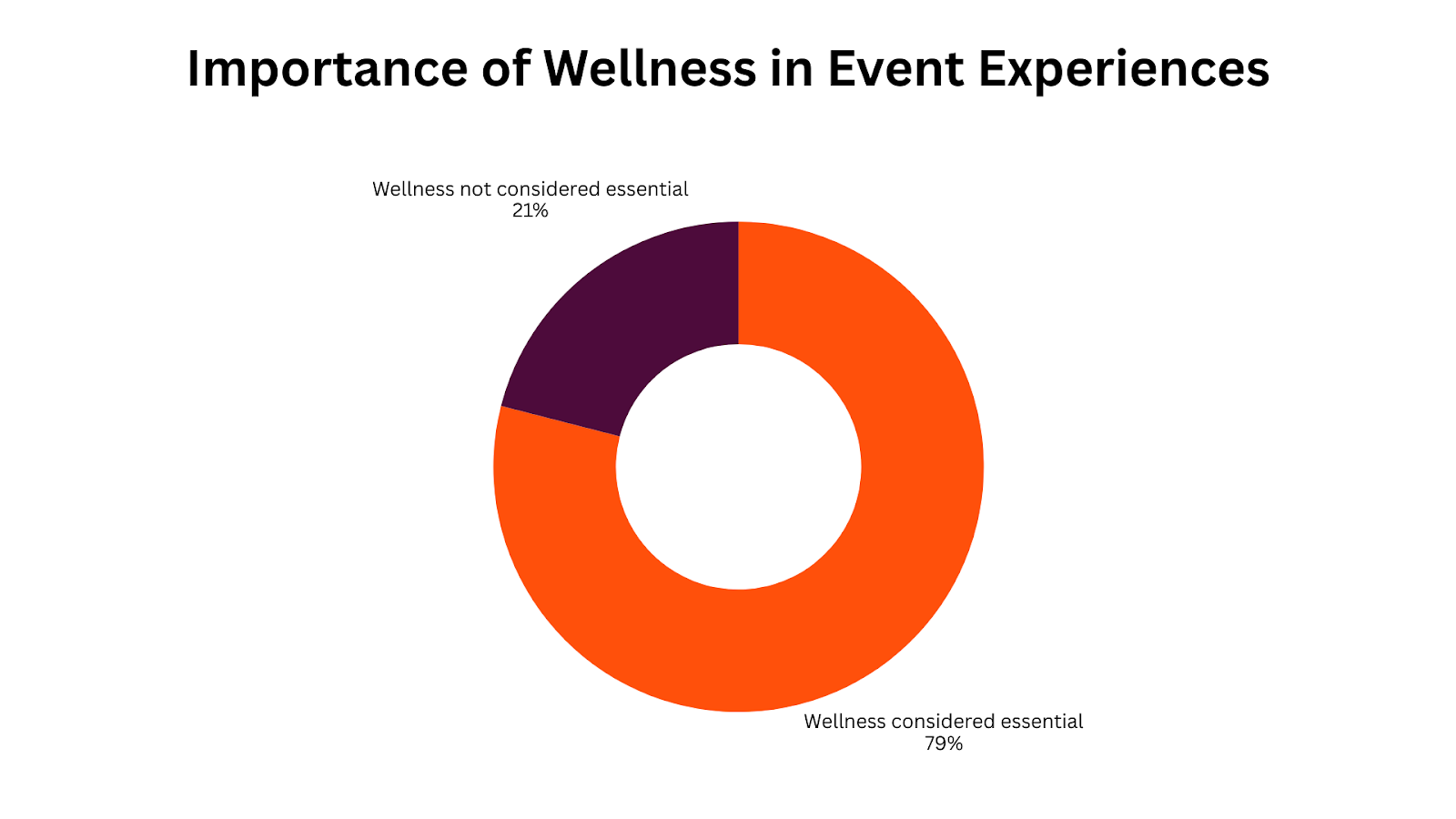
Behavior shows this change clearly. Attendees spend more time in spaces that feel supportive rather than overstimulating.
Non-alcoholic options, thoughtful food choices, and calmer social settings extend participation across sessions and networking events. These shifts affect satisfaction and perceived value.
Large events place heavy demands on attention and energy. Overstimulation affects how long people stay engaged and how much value they take away. In response, experience design is shifting toward balance and recovery.
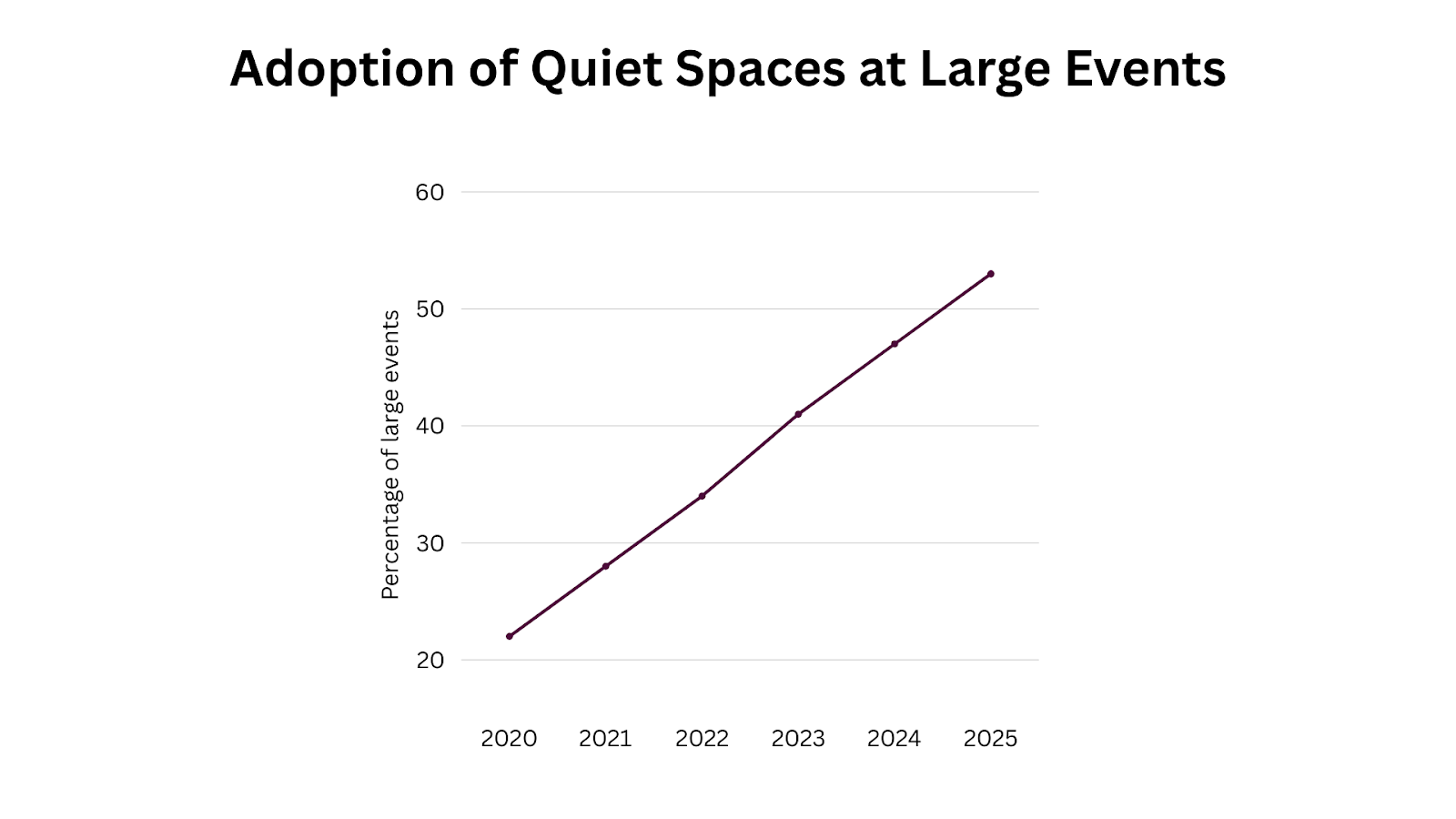
This change reframes accessibility as performance. Spaces that offer lower noise, softer lighting, and clear separation from high-traffic areas help attendees manage energy across a full agenda. These design choices improve session attendance, networking quality, and overall satisfaction.
In 2026, quiet spaces will be treated as core infrastructure that supports attention and inclusion. Sensory-aware design will shape how events maintain engagement from start to finish.
Smaller, repeatable formats are gaining ground because they support stronger connections and clearer outcomes. You will see value shift toward events that trade size for focus.

Adoption reflects this shift. Research from Bizzabo shows that 64% of organizers now use micro events to support B2B conferences, summits, and conventions. These formats allow tighter agendas, clearer targeting, and stronger conversation. Costs remain lower while participation stays high.
Micro events should support consistency and momentum. You will host more touchpoints with less friction and learn from each iteration. ROI improves when events become part of an ongoing program.
Event agendas now reflect how people want to engage, not just what organizers want to present. Participation carries more value than passive listening. You will see stronger outcomes when attendees help shape the experience.
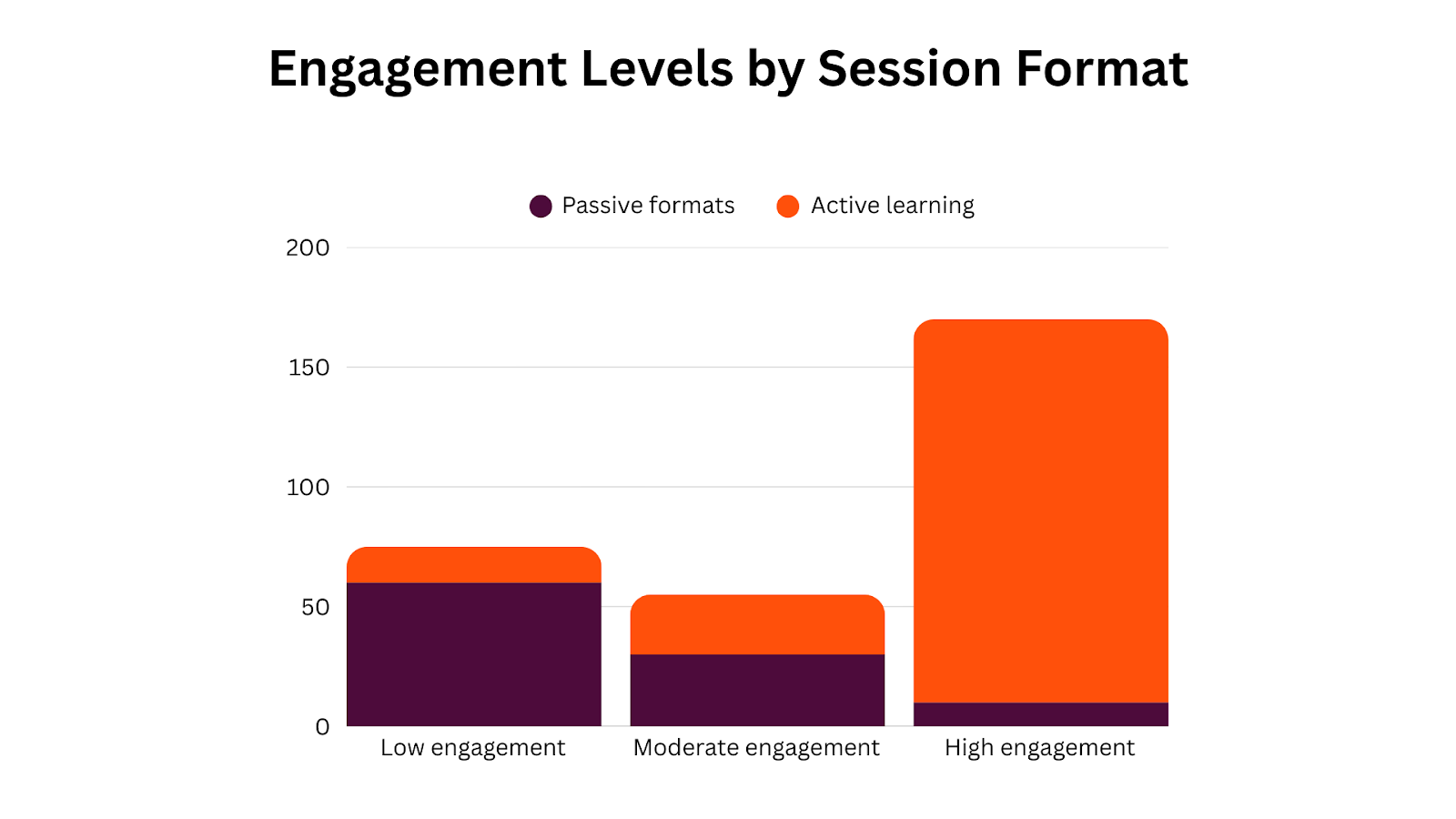
Behavior supports this change. LearningNews research shows that active learning can drive engagement up to 16x higher and increase knowledge retention by 54%. Formats such as roundtables, workshops, and peer-led sessions keep energy high and participation steady.
Your event now lives on a phone screen before, during, and after it takes place. Attendees navigate schedules, updates, tickets, and communication on mobile devices, which shapes the entire experience.
When mobile flow breaks, perception follows.
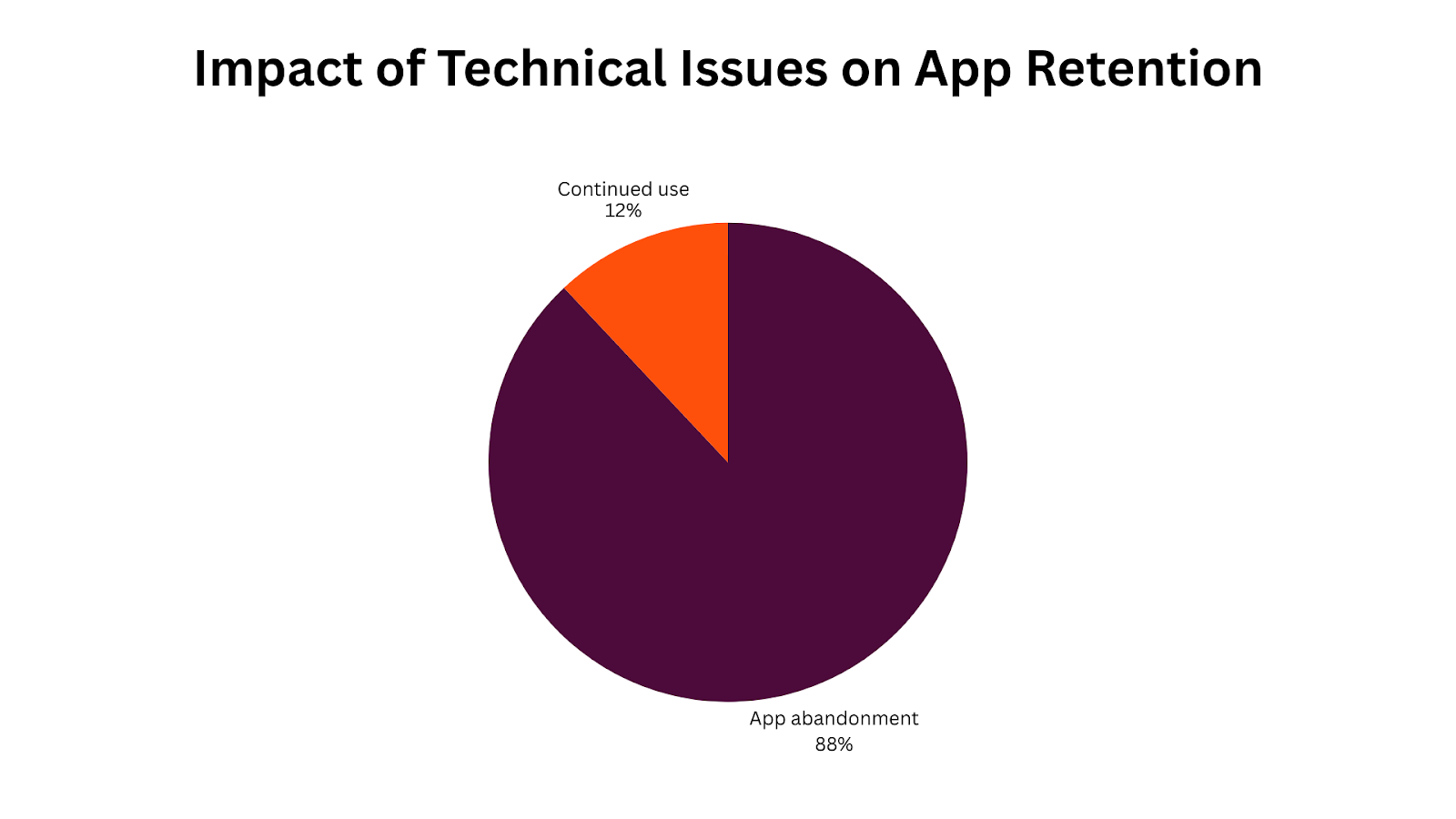
Performance reinforces this expectation. UXCam data shows that around 88% of users abandon apps when repeated glitches or technical issues appear. These reactions happen fast and leave little room for recovery.
Mobile experience quality will act as a proxy for event quality this year. You will see stronger outcomes when ticketing, schedules, updates, and engagement feel connected and dependable. Events that deliver a clear, reliable mobile journey will attract higher participation.
Sustainability and ethics now influence how events operate at a practical level. You will see responsibility show up in decisions around data handling, technology choices, and experience design.
These considerations no longer sit on the sidelines. They affect trust, participation, and long-term credibility. When responsibility becomes part of everyday operations, it shapes how attendees experience your event.
Data collection now shapes first impressions. When attendees encounter unclear tracking or unfamiliar third-party tools, engagement drops before it begins.
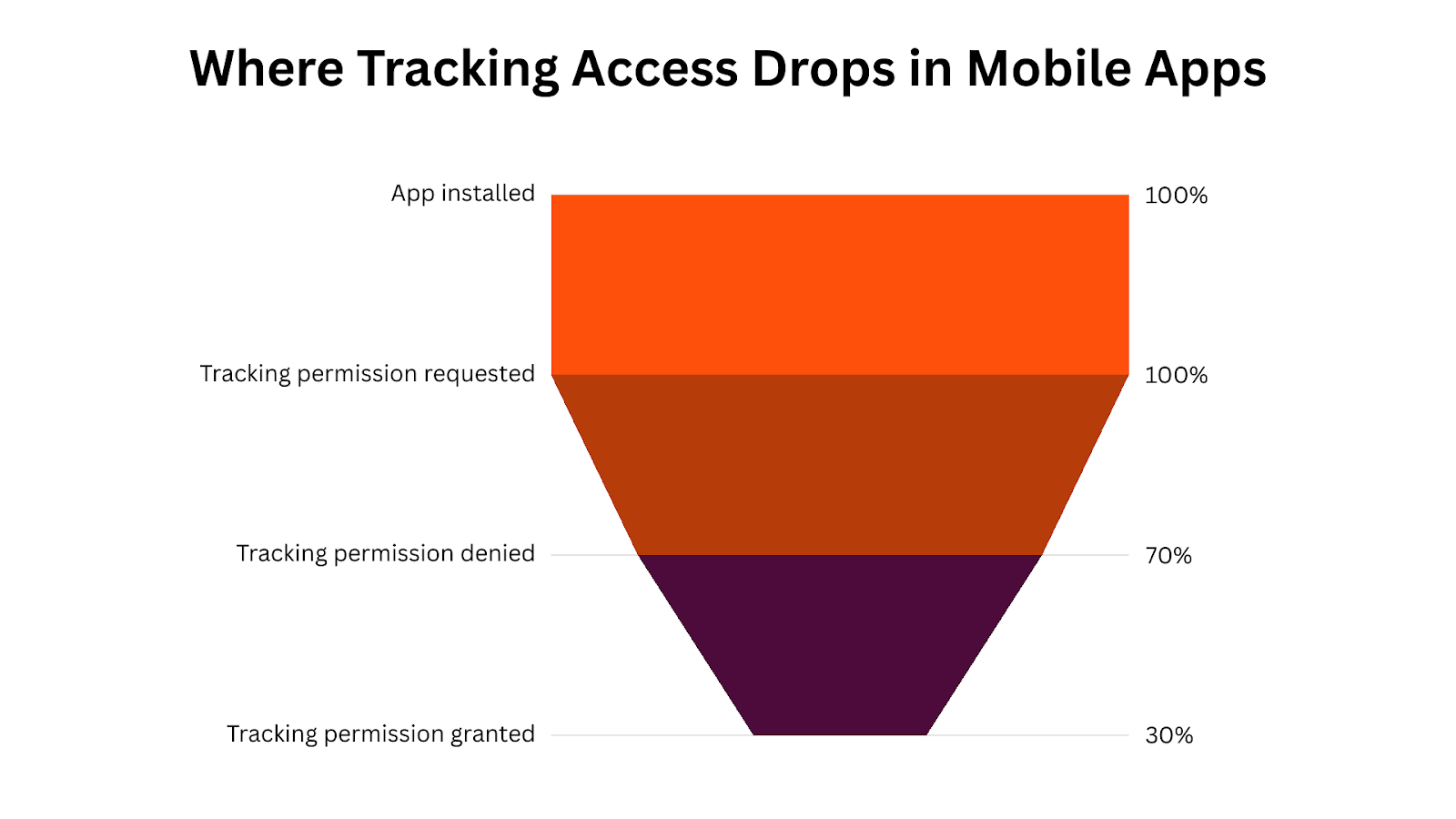
Preferences reinforce this shift. Research from Kadence shows that 64% of people favor personalized branded experiences over third-party generic ones because they feel more authentic.
Branded environments convey accountability and intent. Attendees know who collects data and why, lowering resistance and increasing participation.
Event communication now depends on channels you control. Algorithm-driven platforms change reach without warning, which weakens reliability across promotion and follow-up. Owned channels offer stability.
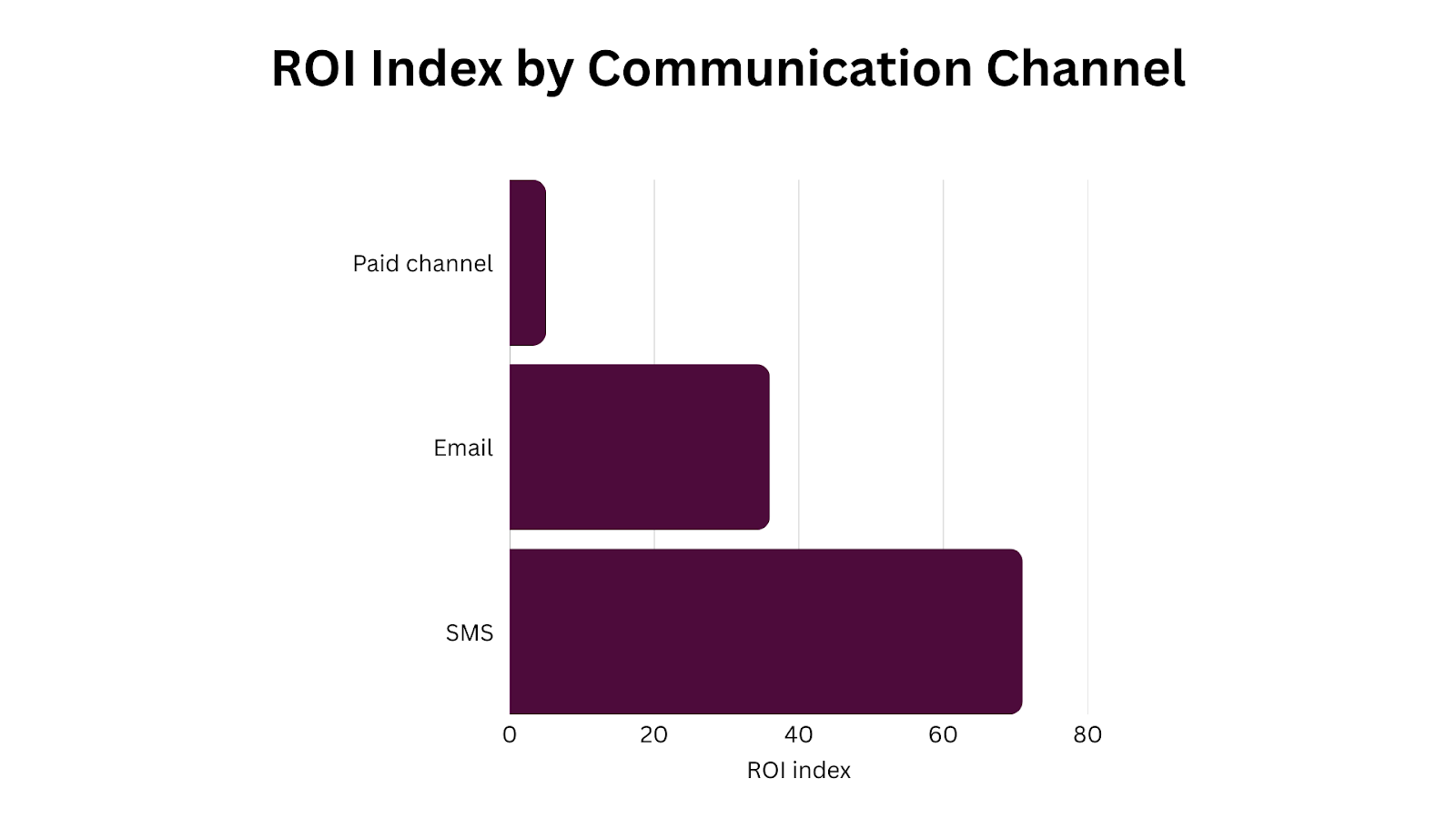
This shift supports resilience. Email and SMS reach attendees without platform interference and remain effective before, during, and after events. Messages arrive when timing matters, and data stays under your control. Engagement becomes easier to track and refine over time.
Event materials now serve both operational and environmental goals. You will see digital assets replace printed programs, signage, and guides as efficiency takes priority. This shift reduces waste while improving flexibility across the event experience.
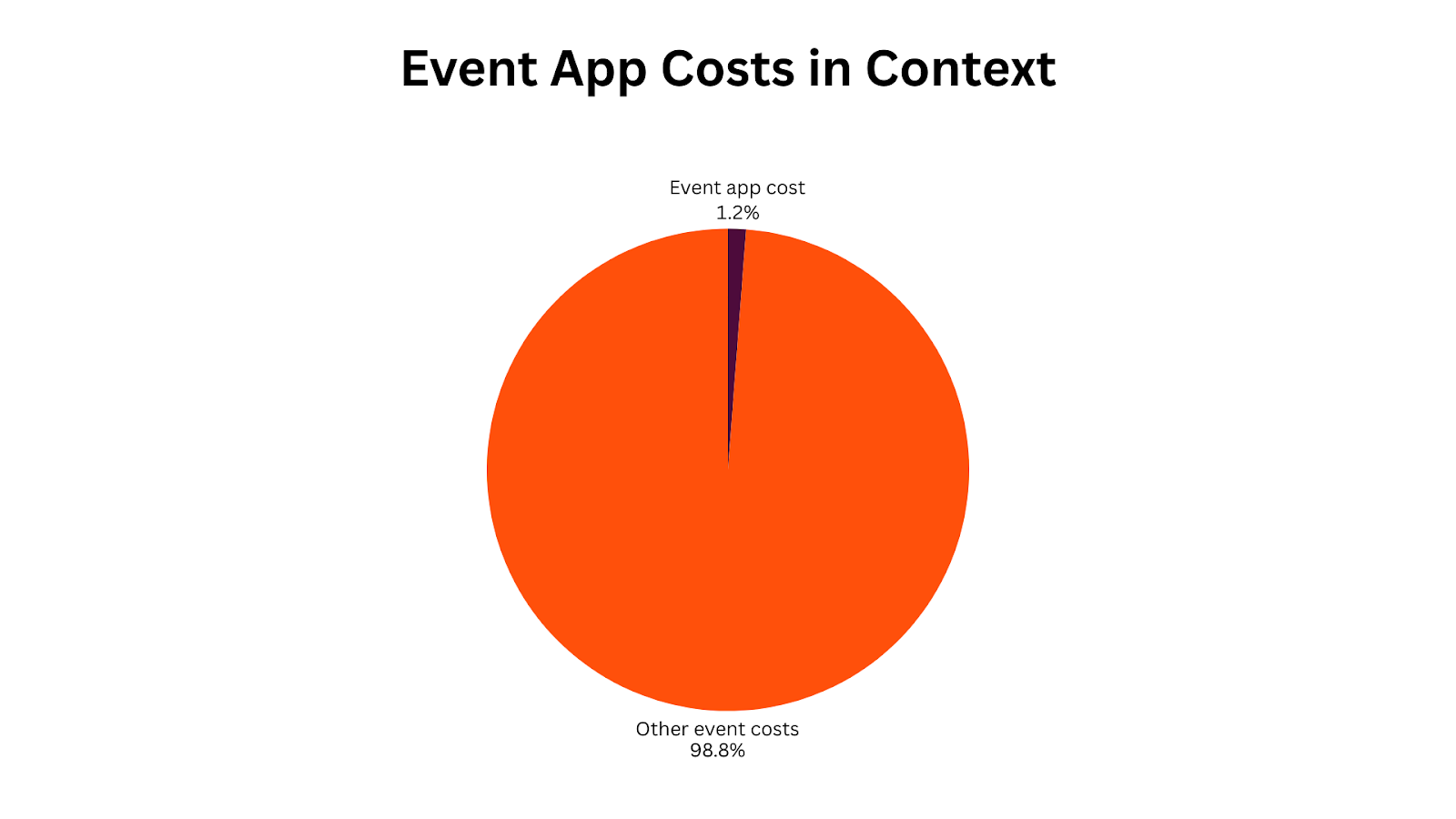
This change affects daily operations. Digital agendas, maps, and updates remove printing lead times and waste. Content stays current and accessible on demand. Attendees rely less on physical materials and more on tools that adapt in real time.
As sustainability and efficiency align, digital assets gain practical value. You reduce spending, limit waste, and keep information accurate throughout the event.
Sustainability now shapes event attendance choices, with ethics joining content, location, and price as decision factors. This reflects actual buying behavior, not just brand messaging.
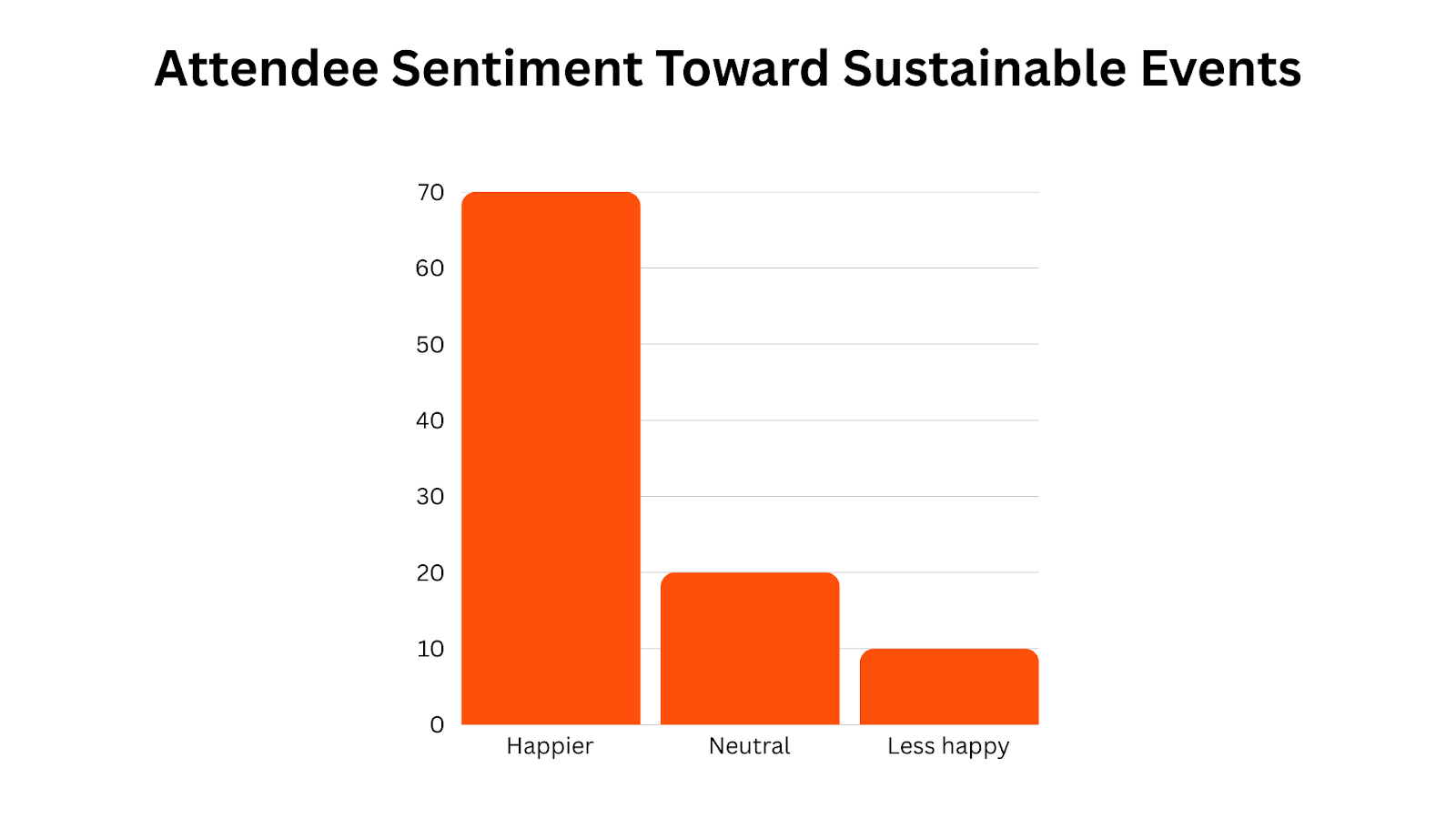
This change affects demand signals. Attendees associate sustainable practices with care and quality. Sponsors look for alignment with values that matter to their audiences. These preferences influence registration choices, partnerships, and long-term loyalty.
Event loyalty now forms through how your technology behaves behind the scenes. Attendees notice how data gets handled, how systems respect privacy, and how platforms align with stated values. These signals shape trust over time.
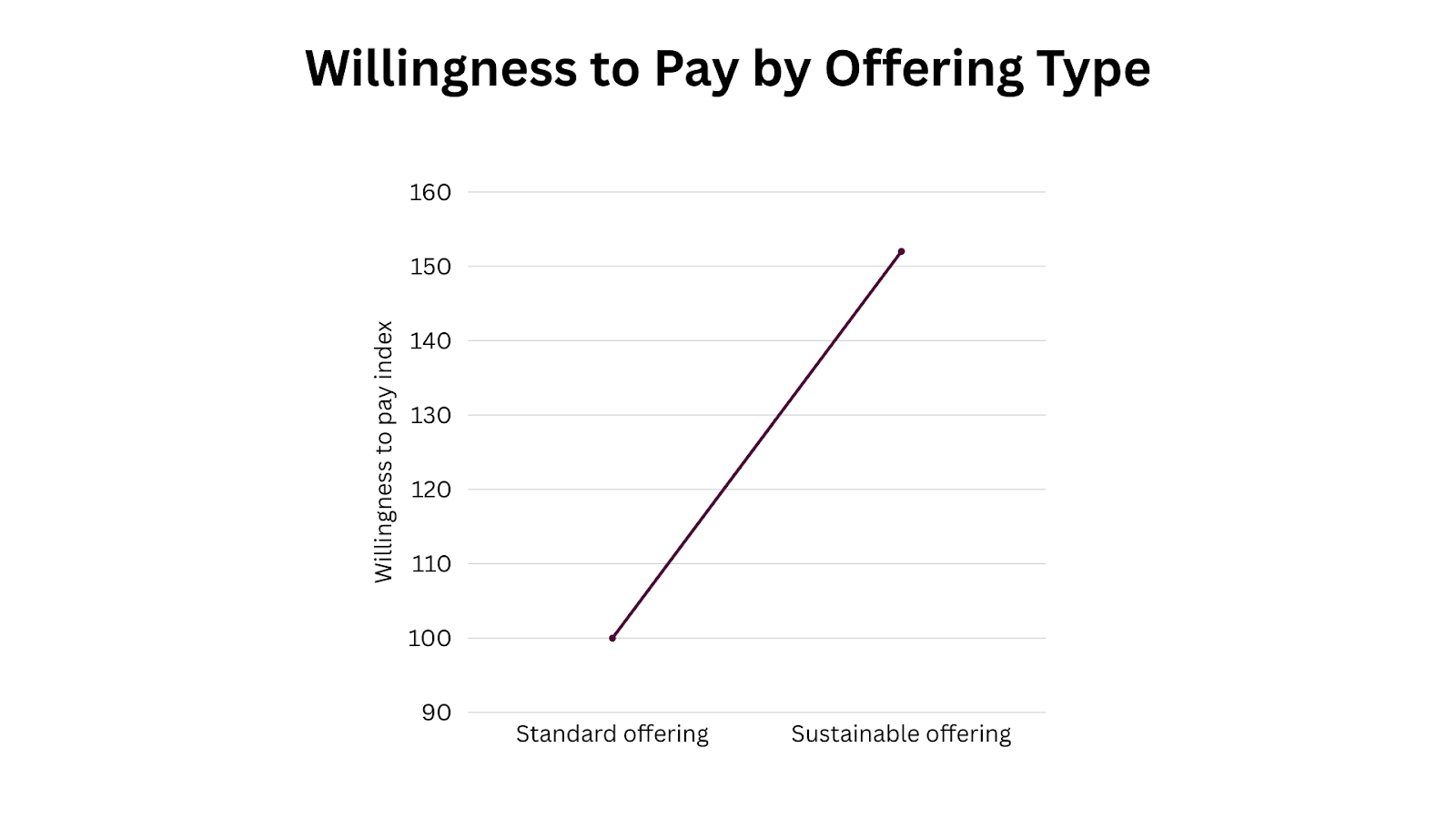
This effect extends beyond perception. Research from Comarch shows consumers are willing to pay up to 52% more for sustainable products and services, which reflects how values influence behavior.
Over time, loyalty builds through consistency. You create stronger brand equity when technology supports trust rather than eroding it.
The patterns across these trends point to a clear direction. Events will perform best when they are built as connected products rather than isolated projects. Integration, branding, and ownership will shape outcomes more than scale alone.
Integrated systems reduce friction across planning, social media promotion, and follow-up. When data flows cleanly, you gain clearer insight into performance and attendee behavior. That clarity supports better decisions across marketing, sales, and operations.
Branding strengthens this foundation. Consistent experiences across ticketing, mobile, and communication build familiarity and trust over time. When each touchpoint feels connected, engagement tends to last longer, and return attendance becomes easier to earn.
Eventcube was built around these principles. From white label experiences to integrated ticketing, data ownership, and direct communication, the platform reflects the demands of modern events. The advantage will come from tools that connect seamlessly and support consistently intentional events.