We empower event organizers around the globe, from destination festivals, major sporting and music events to club nights, local fairs, charity fundraisers, and private galleries.
Start an event, members’ hub or virtual event for your community and discover how Eventcube can transform your business.
Get Started
Planning can feel overwhelming, but it doesn’t have to be. This guide turns event planning into a simple, 12-step checklist. You’ll find practical steps to define your purpose, build your team, manage vendors, and track every stage without losing momentum.
Whether you’re planning a small workshop or a large-scale conference, this checklist gives you the framework to avoid last-minute chaos and deliver an event that runs smoothly from start to finish.
Every event follows a series of interconnected stages that shape its performance. These stages help you stay organized, plan smarter, and ensure every part of the process supports your goals.
Azavista reports that nearly 60% of a planner’s time is spent on pre-event logistics, highlighting the significant impact on success. Each stage builds on the last, forming a clear playbook you can follow for any type of event.
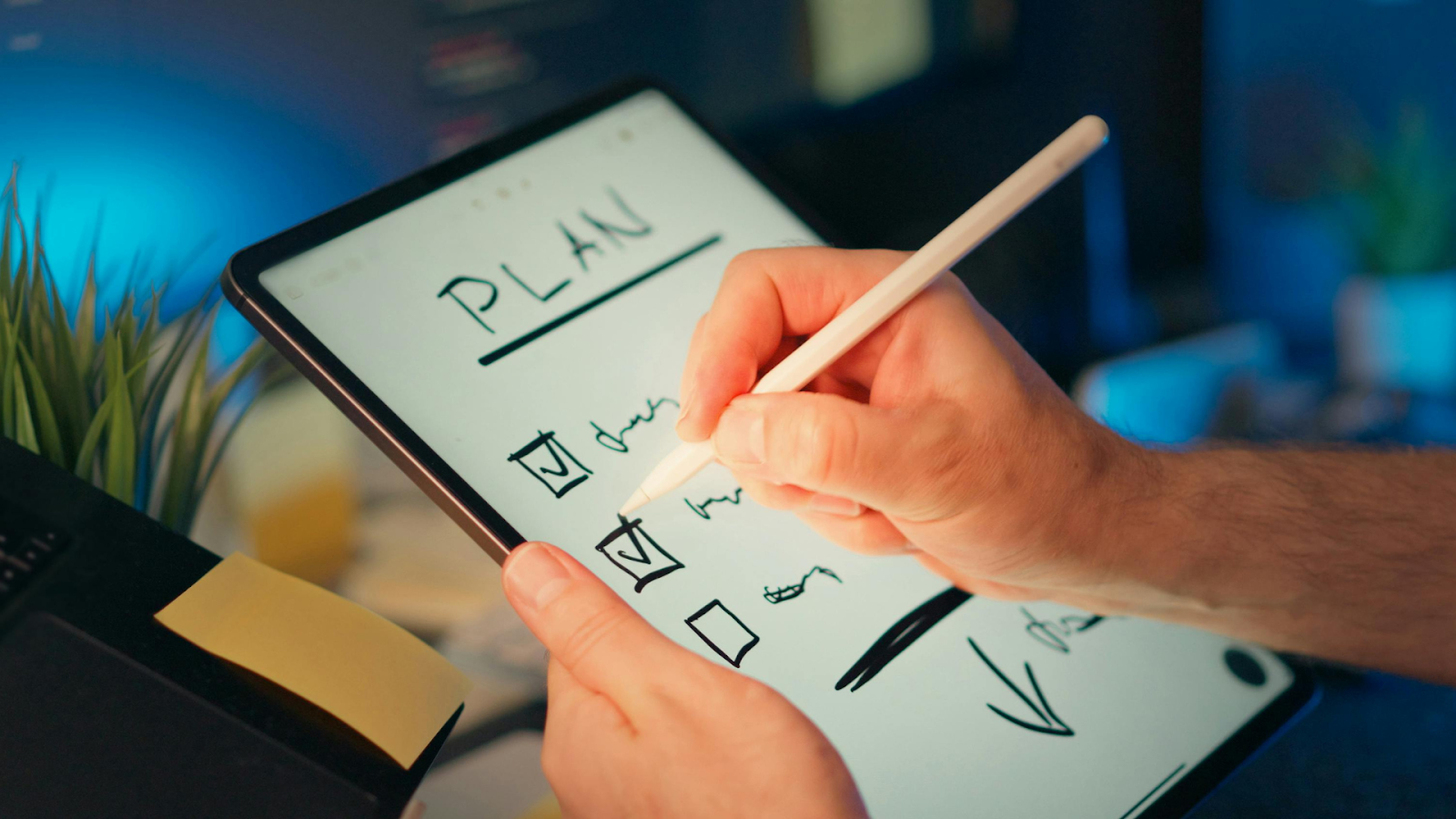
This stage lays the groundwork for everything that follows. You define what you want to achieve, who your audience is, and how much you can spend. These early choices set the direction for your entire plan.
Once your goals and audience are clear, you outline the event’s format, choose a date, and start shortlisting venues that align with your purpose. You also assemble your core team and decide which technology will help you manage registration, ticketing, and communication.
Strong preparation here saves time, prevents overspending, and reduces risk later in the process.
This is the action phase where your plans come to life. Every moving part of the event depends on how well your team coordinates. You oversee vendor performance, maintain real-time communication, and resolve issues quickly to keep everything on schedule. A well-managed event experience ensures guests stay engaged, informed, and comfortable throughout. Consistency, teamwork, and situational awareness drive success here.
Once the event ends, the focus shifts to reflection and measurement. You collect attendee feedback, review data, and assess performance against the goals you set in the first stage. Key metrics often include attendance, engagement, satisfaction, and ROI.
This information highlights what worked and what needs improvement for next time. The post-event stage also strengthens long-term relationships by following up with attendees and sharing event highlights that keep engagement going well beyond the event day. Insights from this stage close the loop and turn one successful event into the foundation for the next.
The time needed to plan an event varies based on its size, complexity, and scope. A small internal meeting might take a few weeks to organize, while a large conference or public gathering can require months of preparation.
ProGlobalEvents recommends that planners begin detailed event preparation at least 6 to 12 months in advance. This gives you enough time to secure venues, coordinate vendors, and manage promotions effectively.
Timeframes also shift based on venue availability, vendor schedules, and the number of stakeholders involved. Each stage in the planning checklist adds to the overall timeline. Early event planning focuses on strategy, budgeting, and goal setting. Mid-stage tasks involve vendor selection, content planning, and marketing. The final phase includes guest communication, logistics confirmation, and rehearsals.
Building flexibility into your schedule helps manage unforeseen delays such as vendor changes or technical setup issues. Even for smaller events, allocating buffer time ensures smoother coordination across teams. A well-paced plan allows you to maintain quality, minimize last-minute stress, and deliver an event that feels seamless from preparation to completion.
Every strong event plan begins with a purpose. Your “why” sets direction, shapes priorities, and gives your team a shared target to work toward. It answers the question of what success looks like before any logistics take place.
Purpose works as the foundation of your checklist. It helps you decide what the event should accomplish and how to measure that success. Goals often fall into categories such as brand awareness, lead generation, education, fundraising, or community engagement. Each type calls for a different structure, audience mix, and communication style.
Clarity at this stage affects every step that follows. It determines the event format, timeline, and resource allocation. It also helps you evaluate results once the event concludes.
Your purpose should strike a balance between ambition and practicality. Objectives that are specific, measurable, and aligned with broader business goals create structure for the rest of your playbook. For instance, increasing qualified leads by 25%, generating a set number of ticket sales, or achieving a satisfaction score target turns vision into something tangible.
Once your goals are defined, understanding who you’re creating the event for gives your plan focus. Knowing your audience shapes every decision in your playbook, from the tone of your messaging to the type of venue you choose. The better you understand your attendees, the easier it becomes to design an experience that feels relevant and meaningful.
Audience personas bring structure to this process. A persona represents a segment of your attendees and outlines what drives them to participate. It helps you see your audience as individuals with shared goals, challenges, and expectations.
Research from Amra & Elma shows that 96% of marketers report that personalized event experiences have led to increased sales, proving that relevance and connection drive real results.
When building your personas, focus on details that directly affect planning:
Data can come from surveys, past attendee feedback, social engagement, or registration insights. Each data point helps refine your understanding of who you’re speaking to and what they value most.
Once your goals and audience are clear, the next step in your playbook is to define what cannot change. These non-negotiables set the boundaries for everything that follows in your checklist.
They keep your planning realistic, focused, and aligned with your objectives. Clear parameters around budget, date, and format help you stay grounded while giving your team structure to make confident decisions.

Your budget determines what is possible and what needs adjustment. It guides every choice from venue selection to marketing spend. Setting a clear financial framework early keeps expectations consistent and prevents scope creep later in the process. Building transparency around costs helps you allocate funds to the areas that deliver the most impact, whether it’s technology, catering, or production quality.
The event date anchors your entire timeline. It affects venue availability, marketing schedules, and attendee participation. Choosing a date that aligns with your audience’s calendar and industry seasonality increases attendance potential.
For larger events, booking six to twelve months ahead allows for vendor coordination and effective promotion. A clear date also creates accountability across your team, turning the checklist into a time-bound action plan.
Your event format defines the experience. It determines how people engage, how content is delivered, and what logistical needs arise. In-person events foster connection and immersion, virtual events offer accessibility and lower costs, and hybrid models combine both to expand reach.
Research from Bizzabo shows that 68% of event organizers now include virtual components in their events to improve flexibility and attendance. The right format ensures your goals, audience, and resources align, setting the stage for smooth execution.
A strong event team and the right technology form the backbone of your playbook. Together, they keep every moving part connected and ensure that each task on your checklist gets completed with precision. A clear structure also reduces duplication of work and keeps accountability visible across roles.
Every event team functions best when responsibilities are well-defined. Each member should own a key area of execution, creating a balanced mix of strategy and operations. A typical setup includes:
Strong communication across this structure is critical. Research from Dreamcast shows that 47% of event planners say that issues in communication negatively impact event execution. Clear channels and regular updates keep everyone aligned and reduce last-minute errors.
Your technology stack strengthens this collaboration by centralizing tasks and data. Tools for ticketing, analytics, and engagement transform scattered processes into an organized workflow.
A unified platform like Eventcube brings these elements together, helping teams manage registration, ticket sales, and attendee engagement in one place. It provides branded check-out pages, customizable ticket types, and full control over virtual and in-person formats.
The venue and vendors form the physical framework of your event. Together, they define the environment, logistics, and experience your attendees will remember. Each choice you make here affects flow, accessibility, and the overall tone of the event.
Selecting a venue begins with alignment. The space should match your goals, audience size, and event format. Location, accessibility, and layout influence attendance and engagement. A well-chosen space supports your agenda, allows for smooth navigation, and reflects the brand identity you want to project.

Once the venue is secured, attention shifts to your key vendors. Each one adds an essential layer to the attendee experience.
Vendor reliability determines how smoothly your checklist progresses. Clear contracts, consistent communication, and shared timelines keep expectations aligned. Integrating vendor schedules into your project timeline gives you visibility across every moving part.
Every successful event leaves people feeling connected, inspired, and valued. The attendee experience is where that impact happens. It’s the stage in your playbook where planning becomes personal.
A strong experience starts with flow. Your agenda sets the rhythm for the day and controls how energy builds and fades. Each session should feel purposeful. Balanced pacing gives people time to learn, network, and recharge.
Your content choices bring the agenda to life. Speakers, workshops, and discussions should reflect what your audience came for. Mixing formats, like short talks, panels, or collaborative sessions, keeps people engaged without feeling overwhelmed. Clear session titles and smooth transitions help attendees stay oriented and excited about what’s next.
Atmosphere shapes perception, too. Lighting, layout, and signage create comfort and clarity. Even small details, like seat spacing or directional signs, affect how guests experience your brand. When everything feels intentional, attendees notice.
Event marketing shapes how people first see your event and whether they decide to attend. It connects your purpose to the right audience and keeps attention building until the event begins.
A strong marketing strategy starts with clarity. People respond to messages that speak directly to what they value. Your audience should recognize what makes the event worth their time, whether that’s learning something new or discovering a product. Consistent design, tone, and timing across channels keep your brand familiar as excitement grows.
Marketing unfolds best in stages.
Each channel supports a different goal. Social media builds reach, email nurtures interest, and partnerships strengthen credibility. According to Certain, 61% of event marketers use social platforms for promotion, showing the power of steady, authentic communication.
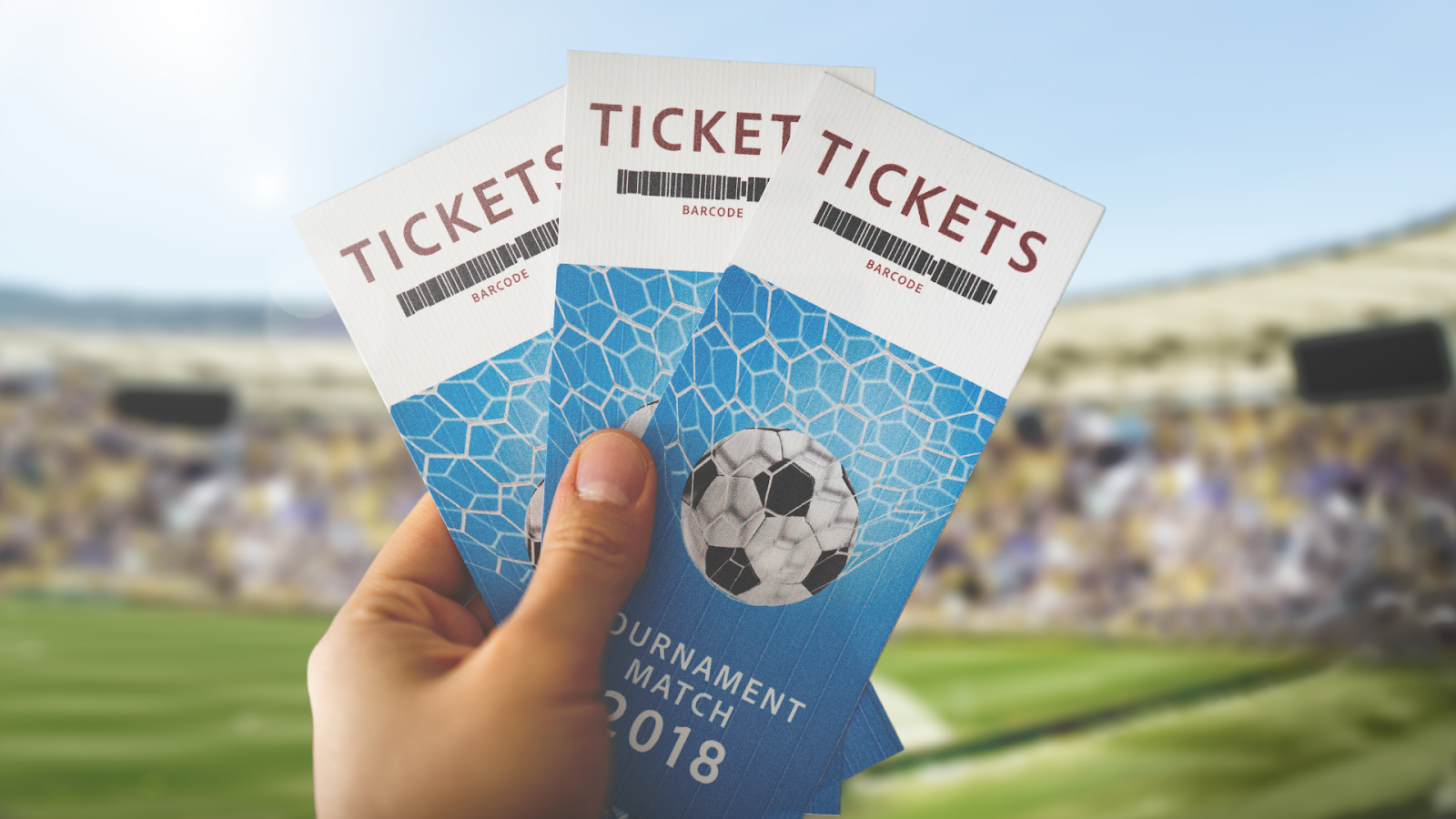
Registration is where your event starts to take shape. It turns interest into commitment and gives attendees their first real interaction with your brand.
A clear, intuitive process makes registration feel effortless. Attendees should see pricing options, understand what’s included, and move through checkout without confusion. Clean layouts and transparent details create trust before they even arrive.
Ticketing strategy shapes the flow of sign-ups. Early bird access builds momentum, group rates strengthen community participation, and premium tiers offer exclusivity for high-value guests. The right ticket type strikes a balance between accessibility and value.
Eventcube makes this easy to manage by allowing you to create multiple ticket types, set flexible pricing, and track performance in real time. This structure gives you visibility into what’s selling and where engagement grows, helping you refine your approach as registrations increase.
Customization adds depth to this step. Branded ticketing pages, confirmation emails, and mobile-ready checkouts give attendees a consistent experience from start to finish. With Eventcube, these elements stay connected, so your audience moves from sign-up to entry without friction.
Communication rounds out the process. Automated confirmations, reminders, and updates keep attendees informed and engaged as the event approaches. Each interaction reinforces professionalism and anticipation.
Your run of show is the backbone of event day. It’s the master schedule that outlines every action, from setup to wrap-up, and keeps your team moving in sync.
A strong run of shows lists every segment with exact timing, responsibilities, and transitions. It tells your team who is doing what, when, and where. This structure keeps things running smoothly even as the pace picks up.
According to Momencio, 60% of planners identify time management as the biggest factor in successful event delivery, showing how much structure drives calm under pressure.
The D-Day plan builds on that structure. It gathers everything your team needs in one place, including contact lists, setup instructions, vendor schedules, and contingency notes. Backup plans for timing, speakers, or equipment shifts help you stay flexible without losing control. A detailed outline like this also keeps new volunteers or last-minute additions aligned without needing constant oversight.
The check-in moment shapes how people feel about your event before they even walk through the door. When entry runs smoothly, it sets the tone for everything that follows.
A clear setup creates calm. Well-placed signage, simple entry points, and a few friendly faces make arrivals feel effortless. Attendees who move through check-in easily arrive ready to engage, not frustrated by long lines.
Technology keeps this part of your checklist tight. Mobile check-in tools remove delays and help your team stay coordinated. With Eventcube’s Check-In App, attendees can be scanned in seconds using a QR code or a quick name search. Real-time syncing means that registration data updates instantly across your team, even across multiple entrances. It’s a system built to reduce stress and keep your focus on guests, not logistics.
Once everyone’s inside, engagement becomes the driver. Live polls, push updates, and digital agendas keep energy high and communication flowing. Eventcube’s connected tools for virtual events make this process seamless, letting you send updates or announcements directly to attendees throughout the day. Every interaction keeps people informed, included, and involved.
This step ties your event together. Smooth entry gives guests confidence. Steady engagement keeps them connected. Together, they create the flow and atmosphere that turn a well-planned event into a memorable experience.
Even the most organized events face moments of uncertainty. Microphones fail, speakers cancel, or weather disrupts outdoor setups. A strong risk management plan keeps those surprises from becoming full-blown crises. It’s the safety net that protects your schedule, budget, and guest experience when things don’t go as planned.
Preparation begins with awareness. Mapping potential risks early gives your team time to create realistic responses. Thinking through these “what if” moments makes decisions faster and calmer when challenges appear.
A practical risk plan often includes:
Real risk management also means practicing responses. Quick run-throughs with your team before the event can expose weak spots and build confidence. When something goes wrong, people already know who leads and how to respond.
Digital tools help manage these moments more smoothly. Eventcube lets you manage guest lists or adjust session details directly within the same system used for registration and ticketing. When last-minute changes happen, your messaging stays clear and consistent.
The final stage in your playbook turns reflection into momentum. Measuring success helps you see what worked, identify what can improve, and capture insights that make your next event stronger.
Feedback offers a direct look into how people experienced your event. Post-event surveys, short interviews, and digital feedback forms help you collect insights from attendees, speakers, and vendors.
Questions about session quality, logistics, and overall satisfaction highlight where your event delivered value and where adjustments could make a difference. This understanding feeds back into your playbook, turning impressions into clear direction.
ROI provides a concrete way to measure how well your event met its objectives. Comparing registration data, engagement levels, and overall conversions against your original goals paints a clear picture of success.
Financial outcomes matter, but so do brand visibility, attendee loyalty, and partnership growth. Seeing how each of these aligns with the goals you defined in the first step helps you measure true impact and refine priorities for your next event.
Follow-up transforms a single event into an ongoing relationship. Thank-you notes, recap videos, or post-event insights keep attendees connected and reinforce their decision to take part. Consistent communication also opens the door for future collaboration or attendance. A thoughtful follow-up strategy shows professionalism and builds long-term trust.
Eventcube simplifies this process by keeping registration, attendance, and ticketing data in one place. Built-in reporting helps your team track performance and export results without juggling multiple tools. Seeing all your analytics together gives you a clear view of impact and next steps.
Every successful event begins with a clear plan and a reliable process. Following this 12-step playbook helps you stay organized, reduce stress, and deliver experiences that leave a lasting impression. Each step connects to the next, guiding you from the first idea to post-event insights with structure and confidence.
When every part of your event is aligned, planning feels smoother and results feel stronger. The right tools make that possible. Eventcube brings your planning, ticketing, check-ins, and analytics together in one place, so you can focus on creating moments that matter.
Stop juggling 10 different tools. Manage your entire event in one place. Get started with Eventcube today.
A strong event starts with clear goals, a defined audience, and a realistic budget. Venue selection, logistics, and marketing shape the overall experience. Reliable event software also helps streamline ticketing, check-ins, and communication, so planning stays efficient from start to finish.
An event succeeds when it meets its goals and delivers a smooth experience for attendees. Strong organization, active engagement, and effective communication help everything run on time. The most successful events also collect feedback to improve future planning.
The foundation stage sets the tone for everything else. Defining goals, understanding your audience, and outlining your budget create structure for later decisions. With a clear plan early on, every following step becomes easier to manage and more impactful.
Planning your first event works best when broken into simple steps. Start with clear goals and a set budget, then choose a venue and map your timeline. Use an event platform to handle ticketing, promotion, and registration, and review feedback afterward to refine your next event.