We empower event organizers around the globe, from destination festivals, major sporting and music events to club nights, local fairs, charity fundraisers, and private galleries.
Start an event, members’ hub or virtual event for your community and discover how Eventcube can transform your business.
Get Started
In this extensive blog post, we’ll explore the intersection of attendee experience and business metrics. You'll learn how to use digital integration to capture engagement signals, apply neuro-performance design to reset cognitive focus, and implement structured networking to drive deals. We will pull it all together with 15 specific activations that turn your entertainment into a measurable asset for growth.
Corporate event entertainment often focuses on atmosphere, but the real goal is performance. For entertainment to deliver ROI, it needs to influence how people move, participate, and stay engaged throughout the event.
The ideas in this guide follow that principle. Each one focuses on entertainment that produces measurable signals such as participation, dwell time, or networking activity. Those signals help connect the experience on the floor to outcomes you can track.
Floor traffic often slows during the mid afternoon window. Energy drops, conversations thin out, and attendees begin to drift away from the floor. A strong activation placed in the center of the space can change that pattern by drawing attention back to the event environment.
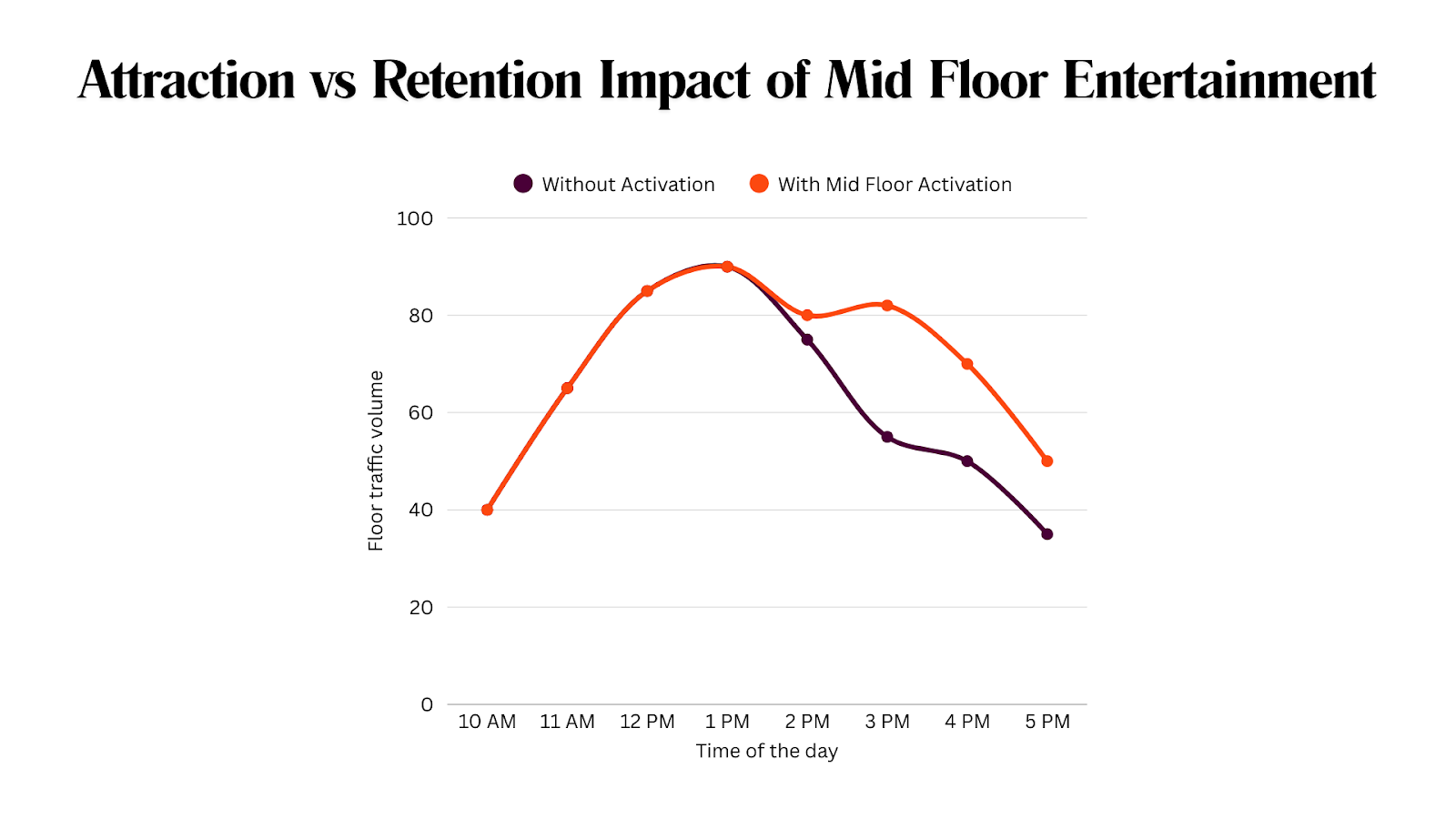
Designing for measurable impact usually includes a few clear elements:
When entertainment supports movement, attention, and participation, it contributes to performance in a visible way. It keeps energy steady across the day and connects experience to measurable outcomes.
After supporting thousands of events through Eventcube, certain patterns start to stand out. Some entertainment ideas simply fill time, while others consistently draw attention, encourage participation, and keep people engaged across the floor.
The ideas below reflect activations that repeatedly show strong engagement across events. They encourage interaction, extend dwell time, or generate networking activity that can be tracked. Each one represents a type of entertainment that can contribute to a measurable outcome.
A professional headshot holds real value for most attendees because it supports their personal brand and often sits at the top of their profile for years. Offering that opportunity at your event creates a strong draw without feeling forced.
The exchange also feels balanced. Attendees receive a polished image they can use right away, while you collect verified contact details and accurate role information as part of the process.
The impact extends beyond the photo itself. Many professionals update their LinkedIn profiles after conferences or trade shows, and when they upload an image taken at your event, your brand gains visibility across their network. That exposure helps extend awareness well beyond the event day.
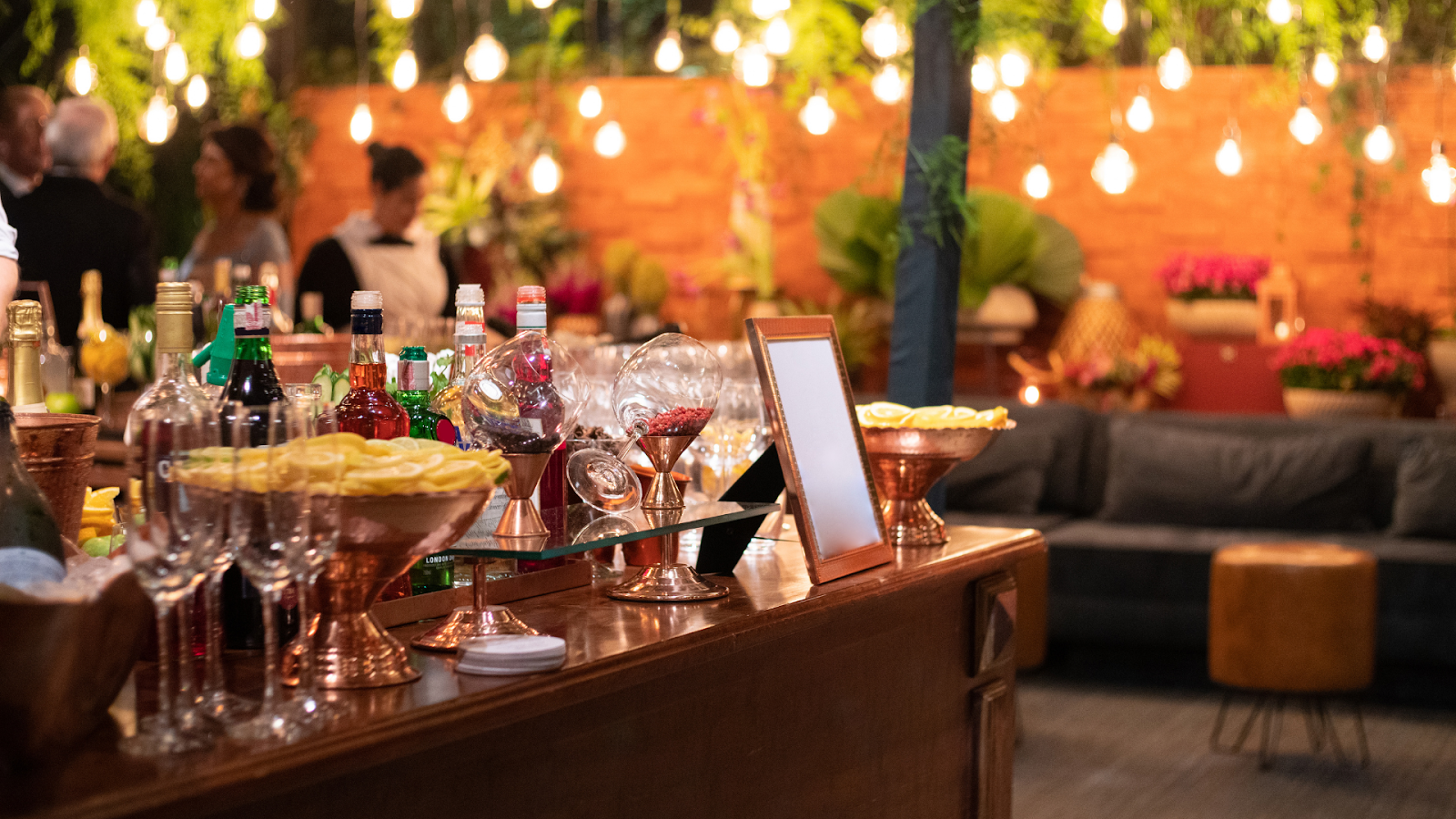
Food and beverages often take a back seat at an event. A liquid innovation bar changes that dynamic by making guests part of the process.
Instead of choosing from a fixed menu, attendees vote on flavor combinations through your event app. Results appear on screen in real time. Mixologists create the top selection in front of the crowd. The experience feels shared rather than static.
Participation increases attention. When people vote, they stay to see the outcome. That pause increases dwell time in the area and lifts nearby booth exposure.
Experiential engagement also shapes perception. Around 91% of consumers report feeling more positively toward a brand after attending an experiential event. When guests help create the experience, that positive association strengthens.
Traditional product demos rely on explanation. Mixed reality changes this by letting attendees experience the product firsthand.
This approach shifts the experience: instead of simply watching a presentation, people move through a guided environment that reflects real use cases. They test scenarios that connect to their role or industry. That hands-on interaction makes the product easier to understand.
When someone selects a feature in the simulation, that choice is linked to their profile. You gain visibility into what draws attention and what leads to deeper engagement. Interest becomes measurable through action.
Caricature artists have always drawn a crowd. Adding AI changes what happens after the sketch is finished.
Attendees sit in for a short session and receive a digital avatar via email. The artwork feels personal and light. The digital delivery makes the exchange clear. To receive the file, guests must share verified contact details. That simple trade creates clean, permission-based data.
The interaction also strengthens memory. Interactive experiences lead to 36% stronger unaided brand recall compared to passive formats. A digital caricature fits that pattern because guests participate in the creation process rather than watching from the sidelines.
The value endures after the event. Many attendees share their avatars on social or update their profiles, extending your brand’s reach to new audiences, without any extra spend.
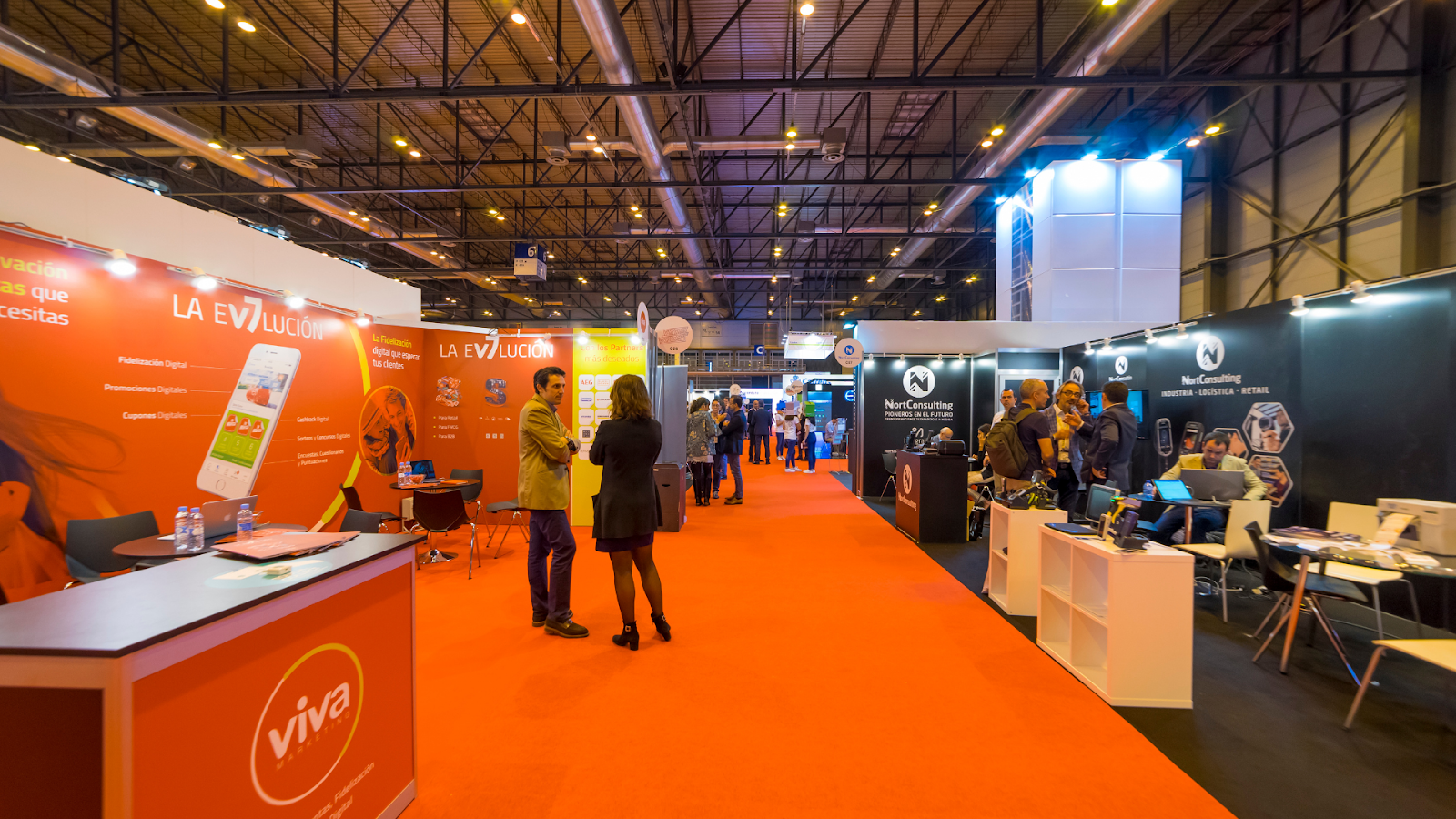
Booth traffic does not always spread evenly across the floor. Interactive brand missions help balance that flow.
Attendees complete short challenges tied to different booths. Each stop connects to a scan via NFC or QR code. Points add up inside their profile, and progress appears on a shared leaderboard. The experience feels like a guided journey rather than random browsing.
This approach gives you clearer insight into behavior. You see how many stops each participant completes and which booths draw repeat interaction. Path data shows where people spend time and where they move next. That information supports stronger reporting after the event.
Moreover, the competitive layer also keeps people engaged longer. Attendees return to finish missions or check their standing. That repeated movement increases dwell time across the floor.
Encourage your attendees to use the guided meditation pods for quick, restorative breaks. Invite them to step inside for a brief session and return refreshed, ready to engage more fully with event activities.
Attention span usually declines after extended information intake. Short mental breaks support stronger retention and better participation in later sessions. When attendees feel refreshed, they engage more fully with the next speaker or discussion.
Leverage the data you collect from pod participation to adjust your event schedule or improve breaks. Take action based on these insights to maximize attendee retention and improve energy levels throughout the agenda.
An oxygen-and-neuro refresh lounge creates space for a short reset. Attendees sit for a few minutes, follow guided breathing, and view simple biometric feedback such as heart rate. The data makes the experience tangible. People see the change rather than just feel it.
When biometric participation and session timing are tracked, the lounge becomes a measurable event activation rather than a quiet corner of the floor. You see how many attendees used the space and when usage increased during the day.
Lounge participation patterns also offer insight. For example, usage often highlights when energy dips. Comparing that timing with session attendance helps you understand how recovery moments influence retention across your agenda.
This visibility supports stronger experiential marketing ROI, since engagement and session performance can be tied back to a defined wellness touchpoint rather than assumed.

Short movement breaks between key sessions help ease the transition between activities. These can include guided stretches or brief group activities lasting a few minutes. The goal is a reset before the next content block.
Physical movement boosts focus, helping attendees return to each session refreshed and ready to engage.
These breaks also help create a shared moment. The room feels more connected, and attendees return to their seats more present and ready to participate.
Event floors become increasingly noisy as the day progresses. After a few hours, that constant noise starts to drain focus.
A sound therapy installation creates a different experience within that space. Placed in the middle of the floor, it invites attendees into a short guided audio session. Soft tones and controlled sound help people step away from the noise for a few minutes.
The mid floor placement also draws steady interest. Small groups gather, listen, and move back into the flow. That movement increases time spent in the surrounding area and supports nearby booths, which contributes to stronger experiential marketing ROI through extended dwell time and deeper brand exposure.
Long sessions demand focus, but after 45 to 60 minutes, attention starts to slip. To address this lapse, real-time cognitive challenge screens can help.
Real-time cognitive challenge screens shift that pattern. Large displays in shared areas present short puzzles or industry-based trivia. Attendees submit answers through the event app or scan a code. Scores appear on screen and update as people participate.
Short problem-solving tasks can sharpen concentration. A few minutes of focused thinking can help attendees return to sessions more present.
When people participate, you see who joins and when activity rises. Those numbers let you track how transition moments influence attention during the day.
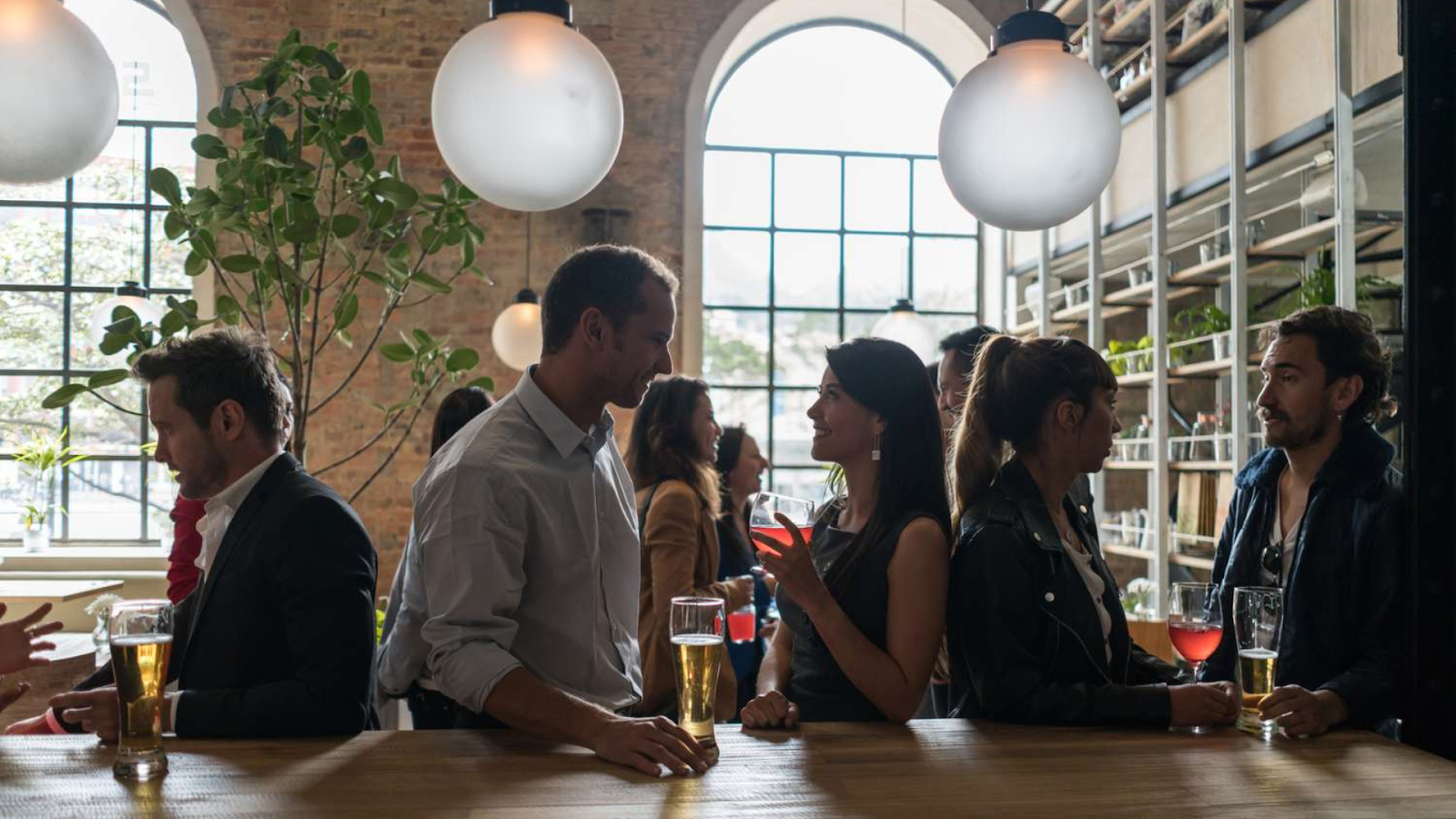
Networking at large events often feels uneven. An AI-powered meet your match zone adds structure to that process. Attendees share basic information about their goals or interests through your event platform. The system suggests introductions based on shared priorities. A designated area on the floor is used for these short meetings.
Context shapes conversation. When two people meet with a shared topic, they move beyond small talk. Their exchange becomes focused and useful.
You also gain visibility into how attendees connect. Match data shows which themes attract interest and how many introductions people make. That information reveals what your audience values and where momentum builds.
NFC enabled human bingo turns introductions into a shared task. As a form of high impact event entertainment, it encourages movement and structured interaction at the same time.
Attendees get a digital card on the platform. Each square presents an industry prompt, such as entering a new market or hiring this year. When two people connect, a quick badge tap confirms the interaction and marks the square.
Prompts make conversation easy by providing a ready topic. Participants move beyond small talk to discuss relevant work matters.
The badge taps create a measurable event activation. You see how many introductions take place and which prompts draw the most activity. That information shows where interest builds across your audience and how networking patterns form during the event.
As attendees complete their cards, they meet people outside their usual circle. The activity is light, yet the connections carry business value.
Conversations at events stay brief. People exchange details and move on quickly.
Speed collaboration labs unite small groups around a focused industry challenge. Each session runs for a short time. Participants tackle a clear problem statement, share ideas, and outline possible solutions before rotating to a new table.
Solving a problem together creates familiarity faster than small talk.
You also gain perspective on common themes. Notes or digital submissions highlight which challenges attract the most engagement. That information reveals what matters most to your audience during the event.
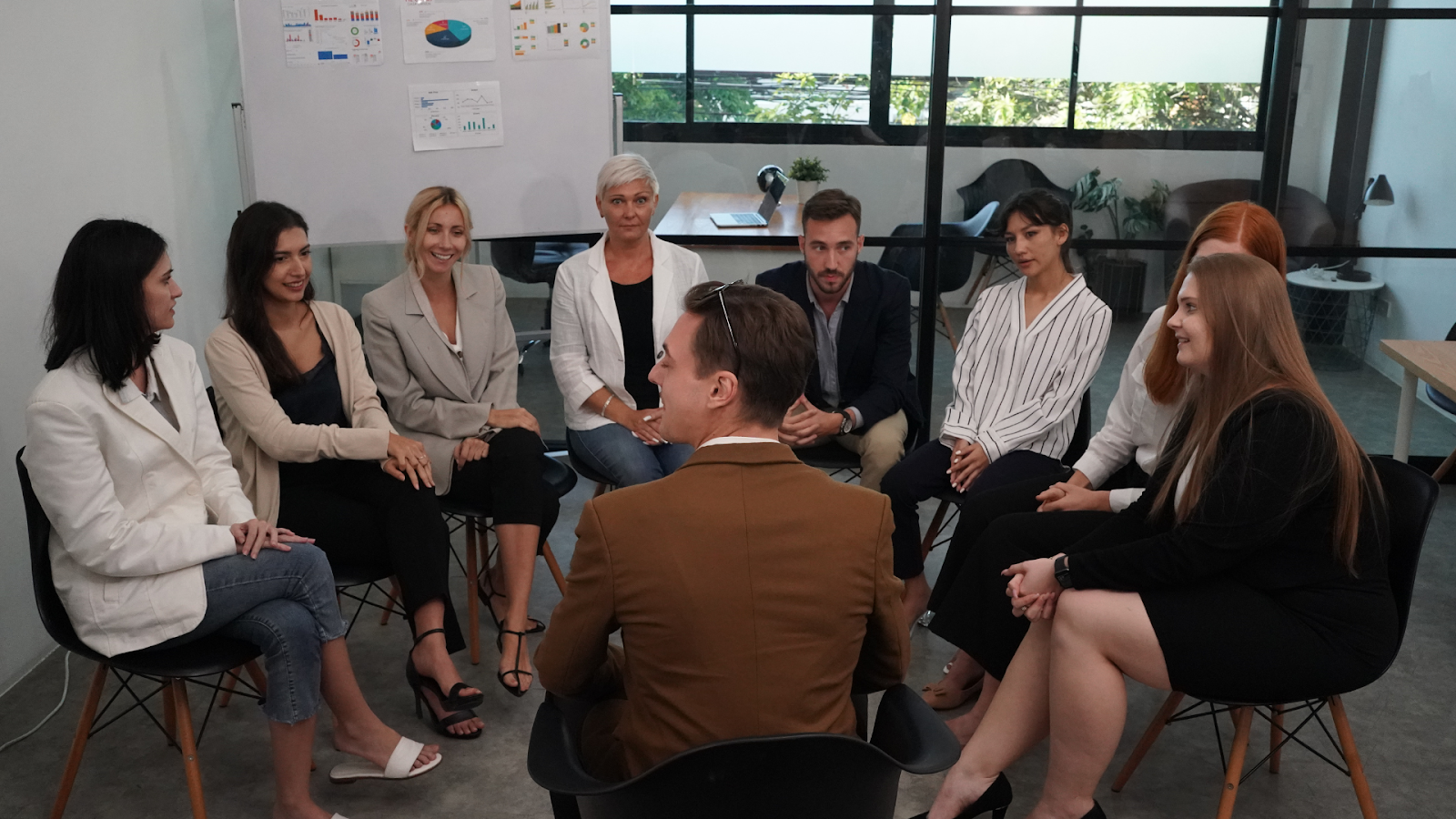
Time with senior leaders carries weight at most events.
An executive roundtable lottery adds structure to that opportunity. Attendees submit a short application through your event platform. They share their role and the challenges they want to discuss. A small group is selected for a focused conversation with an executive host.
Face-to-face meetings can improve business outcomes by more than 30%. A small roundtable setting fosters focused interaction. Conversations stay centered on real challenges rather than superficial introductions.
The application itself reveals intent. You see which topics appear most often and which roles show interest. That information reflects what your audience wants to address.
A post-event digital connection map keeps conversations going. Using badge taps or in-app networking data, the platform shows each attendee how their network expanded during the event. The visual makes those interactions easier to remember.
People are more likely to follow up when the connection is clear. Showing the number of introductions and topics discussed helps attendees continue conversations at home.
You also gain perspective on overall engagement. The map shows how many connections were formed and where interaction was strongest. That information reflects how your networking design performed.
When attendees see the relationships they built, the event’s value lasts longer than one day.
Event budgets often carry hidden costs. Physical installations require shipping, storage, drayage, and disposal. Those expenses add up before attendees even arrive.
Drayage and material handling fees alone can account for up to 40% of a trade show booth budget. When high-impact event entertainment depends on heavy builds and printed structures, that portion of the spend grows. A large share of booth materials is also discarded after a single use, adding both cost and waste.
Digital-first entertainment changes that structure. VR, AR, and digital murals reduce freight and teardown needs. With fewer materials to move, transport and handling fees drop. Budgets shift from logistics to engagement.
Digital formats reach beyond the event. A virtual simulation or interactive mural stays accessible after the event, adding value without more waste.
When you reduce shipping, drayage, and disposal costs, you protect both your budget and your brand. In 2026, that balance supports stronger event performance across financial and sustainability goals.
Entertainment adds value when its impact is tracked. If an activation leaves no measurable signal, its value is unclear.
The strongest ideas in this guide share one trait. They produce a data trail. Shared photos, badge scans, time spent at an installation, and connections formed all reflect how people engage. Those signals help connect entertainment activity to business outcomes.
Your corporate event ROI model improves when each activation links to a clear metric. Lead activity, session retention, and networking density reflect performance you can report confidently.
Eventcube brings that visibility together. As an event platform built to manage ticketing, registration, and check-in, in one place, it helps you understand how people move through and interact with your event.
When these signals live inside a single system, you gain a clear view of what worked and why. That clarity helps turn creative programming into accountable growth.
Create your next event with Eventcube and see how real time engagement data brings clarity to event performance.